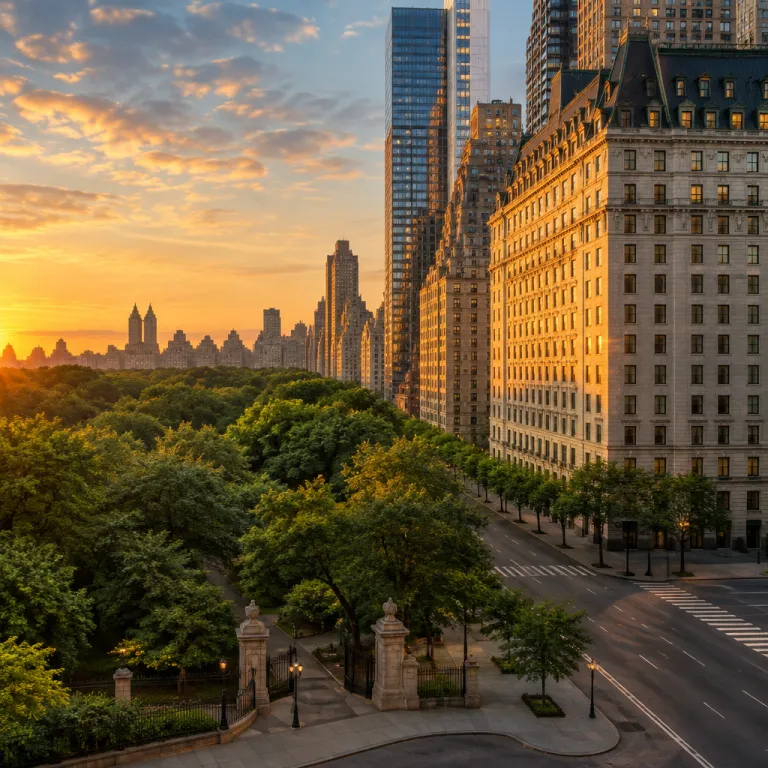
How much the park address and the actual view really cost
Search for hotels near Central Park and you are paying for three things at once. You pay for the right to say your hotel is on the park, you pay again if your room actually faces the trees, and you pay a third time for the logo on the canopy, whether it is a heritage name like The Ritz-Carlton or a quieter luxury property with fewer headlines. In New York, where Manhattan hotel prices already run roughly two to three times higher than many other large United States cities, that stack of premiums matters more than most travelers expect.
Think of the bill as a set of nested circles around the park. The tightest circle is Central Park South, where a hotel fronting the southern edge can charge sharply more for guest rooms with a direct park view than for the same room type looking toward midtown. Step one block back toward Seventh Avenue or stay south of 57th Street and you often keep the same walking distance to the park while trimming a serious percentage off the nightly rate, especially when you choose king rooms or suites without the postcard angle.
Industry data from STR and major online travel agencies shows that recent New York City hotel averages hover in the low three hundreds per night, while a modest Central Park address on the perimeter can easily double that when demand spikes. Analyses of past rate patterns during peak periods, such as fall foliage and December holidays, consistently show that rooms facing the park often cost significantly more per night than their city-view twins, with a premium that can reach twenty to fifty percent for the same category of room. When you check rates, compare a standard room and a park-view category on the same date, then decide whether the extra cost buys you a memory or just a line on the invoice.
The four edges of Central Park and which side suits your stay
The southern edge, Central Park South, is the glossy front row where yellow cabs idle and bell staff choreograph luggage like theater. Here, a luxury hotel such as The Ritz-Carlton New York, Central Park trades on its name and its literal distance to the greenery, and the Ritz-Carlton brand knows exactly how much a framed park view is worth to a short celebratory stay. You pay for the address, the doormen, the spa-level rooms, and the ability to step from your room to the park in under two minutes without crossing more than one light.
Walk east along 59th Street and you slide into Fifth Avenue and the start of Museum Mile, where art history and shopping share the same pavement. Hotels near Central Park on this side lean into culture rather than nightlife, with easy access to the Metropolitan Museum of Art, the Guggenheim, and smaller galleries that flirt with Art Nouveau details and even the occasional nod to Parisian art in their interiors. If you care more about mornings in the park and afternoons in museums than late nights in bars, this stretch of Midtown and the Upper East Side is where a higher room rate still earns its keep.
On the Upper West Side, along Central Park West and down toward Columbus Circle, the mood softens. You still find a park hotel or a property close to the subway with guest rooms that frame park views, but the atmosphere is more residential, with families, runners, and dog walkers defining the rhythm. For a longer stay, a mix of rooms and suites, some with small kitchenettes, can make the polished service of a five-star brand feel less formal while keeping you within easy access of the park and the Lincoln Center area.
Cross to the Upper East Side and the geometry changes again. Here, hotels near Central Park often sit one or two blocks back from the reservoir or from Fifth Avenue, trading direct park views for quieter streets and slightly softer pricing on guest rooms. You still reach Museum Mile in minutes, but you may find that a king room without a park view gives you more space and a calmer property for the same budget as a smaller room directly on the park’s southern edge.
For a deeper sense of how these Manhattan luxury corridors compare beyond the park itself, it is worth reading an in-depth guide to luxury hotels in Manhattan New York on a specialist site that maps brands, streets, and service levels with precision. That kind of overview helps you weigh whether a Ritz-Carlton address, a discreet Central Park boutique hotel, or a quieter Upper West Side property better matches your own idea of luxury. Once you know which edge of the park fits your days, the booking process becomes less about chasing deals and more about choosing the right corner.
When a park view room earns its premium and when it does not
A room facing Central Park is one of the most expensive rectangles of glass in New York. The question is not whether it is beautiful, but whether that beauty justifies the extra cost for your particular stay, especially when rooms facing the park often cost significantly more per night than their city-view twins. The answer depends on season, trip length, and how much time you will actually spend in the room rather than in the park itself.
During foliage season, when the canopy turns copper and gold, a park view from a high floor at a luxury hotel can feel like a private gallery. If you are in town for a short celebration, a proposal, or a once-in-a-decade family gathering, paying the twenty to fifty percent premium for that view can make sense, particularly if you plan slow breakfasts in the room and late-night room service with the windows open to the treetops. In those moments, the room becomes part of the attraction, not just a place to sleep between walks along Museum Mile or dinners downtown.
For longer trips, the math shifts. A week in a park-view king room at a property like The Ritz-Carlton New York, Central Park can cost as much as ten nights in a non-view guest room one block back on the Upper West Side, with the same walking distance to the park and similar easy access to subway lines. In that scenario, choosing a standard room or a suite without a park view and redirecting the savings toward dining, a spa treatment, or a private art history tour often delivers more lasting value.
There is also the question of height and angle. A low-floor park-view room may technically face the trees but spend most of its day staring into traffic and tour buses, while a higher city-view room in the same property can offer sweeping skyline views that feel more cinematic. When you check options, look carefully at floor plans, ask the hotel about room categories and typical floors, and read descriptions closely rather than assuming that any park view is automatically superior.
If your trip is built around observation decks and skyline perspectives, you might even prioritize a hotel with quick transit to places like Top of the Rock or One Vanderbilt instead of paying for a park-facing room. A specialist guide on how to choose a New York hotel near the best observation decks can help you balance those priorities, especially if you want both park access and vertical views. In the end, the premium is worth it when you will actually use the view, not when it is just a line in the booking confirmation.
Timing, pricing spikes, and how to play the booking game
Near Central Park, the calendar is as important as the map. High-demand seasons, from spring blossoms to major parades, tighten availability and push even modest Central Park hotel addresses into eye-watering territory, while quieter weeks can bring the average weekend price near the park closer to the mid two hundreds. The same guest rooms that feel unattainable in peak months can suddenly slide into reach if you are flexible by just a few dates.
Rates around the southern edge and along Museum Mile respond quickly to events that funnel people toward the park. When a major parade or a global summit fills midtown, hotels near Central Park South and Fifth Avenue often raise prices not only for park-view categories but for every room and suite, using brand prestige and limited distance to the action as justification. In contrast, properties a few blocks west toward Columbus Circle or north into the Upper West Side may see softer spikes, especially in standard king rooms and suites that do not face the park directly.
One practical rule: if your dates are fixed and fall in a known peak period, book early if you want any chance at a park view or at a luxury hotel with a spa and full-service restaurant. If your dates are flexible, start by checking a range of three or four weeks and watch how the same room category at the same property swings in price, then anchor your stay on the lowest cluster. Remember that amenities like spa access, breakfast, and late check-out are often not included in the base rate, so a slightly cheaper hotel close to the park with paid extras can still end up more expensive than a higher sticker price property that quietly includes more in the nightly rate.
Travelers who care more about nightlife than early morning walks might even shift the whole search a little west, toward the blocks around Eleventh Avenue and the Hudson River, where you can still reach the park by subway while paying for a different kind of view. A detailed guide to staying near 605 West 48th Street for Hudson Yards and midtown nights shows how that trade-off works in practice, with easy access to both the High Line and the theater district. From there, Central Park is a short ride away, but your hotel bill reflects a nightlife premium rather than a park-view surcharge.
Whatever your angle, always compare at least three properties across two different sides of the park before committing. Look at total stay cost, not just nightly rate, including taxes, resort fees, and any spa or service charges that might apply to premium rooms or suites. The goal is not to game the system perfectly, but to avoid paying park-front prices for a stay that never really uses the park.
A simple framework to choose your Central Park hotel
When you strip away the branding and the romance, choosing among hotels near Central Park comes down to three variables. You balance view, distance, and budget, then decide which two matter most for this particular stay, accepting that the third will flex. That clarity keeps you from overthinking every rate change and room description.
If view is non-negotiable, start with properties directly on Central Park South or Central Park West and filter only for confirmed park-view categories. From there, decide whether you want a classic luxury hotel like The Ritz-Carlton New York, Central Park with full spa service and white-tablecloth dining, or a quieter property where guest rooms lean more into contemporary design, Art Nouveau touches, or even subtle Parisian art references. Expect to pay the highest premiums here, and treat the room as part of the experience rather than a place to drop your bags between museum visits.
If distance is your priority, widen the map to include addresses on the Upper West and Upper East Sides that sit within a few blocks of the park. These areas still offer easy access to the greenery, often within a five- to ten-minute walk, but the mix of room types, from compact king rooms to larger suites, tends to be more forgiving on price. You may lose the direct park view, yet gain quieter streets, better neighborhood restaurants, and a sense that you are staying in the city rather than hovering above it.
If budget leads, accept that you might trade both view and immediate proximity for value. Look for central hotel locations near major subway lines that reach the park in under fifteen minutes, then focus on solid service, comfortable guest rooms, and transparent pricing rather than on a famous name. In many cases, a well-run property slightly south or west of the park, with honest room descriptions and no hidden fees, will deliver a better overall stay than a marquee Central Park address that stretches your finances for the sake of a logo.
In the end, the smartest booking is the one where the numbers match the way you actually use the city. Pay for the view when you will linger in the room, pay for the address when the park is your daily ritual, and pay for the property only when its service and atmosphere genuinely elevate your time in New York. What stays with you is rarely the angle from the window, but the walk from the lobby door to the edge of the park.
FAQ about hotels near Central Park
Are hotels on Central Park South always more expensive than nearby areas?
Hotels directly on Central Park South usually charge more than those a block or two away because they combine immediate park access, potential park views, and high-profile branding. However, you can sometimes find competitive rates at smaller properties or during off-peak periods, especially if you choose city-view rooms instead of park-facing categories. Comparing at least one hotel on the park with two nearby alternatives will show you how much the address premium really costs for your dates.
Does staying near Central Park guarantee a view of the park from my room?
Staying near the park does not automatically mean your room will face the trees. Many hotels near Central Park have only a fraction of their guest rooms oriented toward the park, with the rest facing side streets or other buildings. Always check room descriptions carefully and look for explicit labels such as “park view” or “Central Park view” before assuming you will see greenery from your window.
Is it worth paying extra for a park view room for a short trip?
For a short celebratory trip, paying extra for a park-view room can be worthwhile if you plan to spend real time in the room, enjoying breakfasts, sunsets, or nightcaps by the window. If your schedule is packed with theater, dining, and downtown sightseeing, you may barely see the view and could be better off booking a standard room and using the savings elsewhere. Think honestly about how many waking hours you will spend in the room before committing to the premium.
Which side of Central Park is best for first time visitors?
First-time visitors who want a classic New York feel often prefer the southern edge near Columbus Circle and Fifth Avenue, where Central Park, midtown landmarks, and major subway lines intersect. This area offers a dense concentration of hotels, from high-end properties with spas and suites to more modest options with straightforward service. If you prefer a quieter, more residential atmosphere, the Upper West Side along Central Park West is a strong alternative with easy access to both the park and Lincoln Center.
How far in advance should I book a hotel near Central Park?
For peak seasons and major events near the park, booking three to six months in advance gives you the best chance at reasonable rates and access to park-view categories. During quieter periods, you can sometimes wait until one or two months before arrival, but availability for the most desirable room types may still be limited. If a specific property or view is important to you, earlier booking is always safer than hoping for last-minute deals.