Choosing the right area for a comfortable stay on a budget
Finding comfort in New York City on a budget starts with choosing the right neighborhood. Many visitors assume only central Manhattan works, yet the wider city offers a wide range of safe, convenient districts that keep your New York budget under control while still feeling indulgent. When you understand how transport, parks, and food options interact, you can enjoy free moments of calm even in the busiest streets of NYC.
For first timers who want classic New York City views, staying in Midtown Manhattan near Bryant Park or close to the Empire State Building keeps you near icons while still allowing careful spending. Hotels just a few blocks west of the main avenues often cost less than those directly on Times Square, yet you can walk to that famous square in under ten minutes and still return to a quieter room at night. This balance lets you enjoy the energy of NYC while preserving sleep quality and your overall budget.
Travelers focused on New York City on a budget should also look across the East River to Brooklyn or to Queens. Areas like Downtown Brooklyn, Brooklyn Heights, and Long Island City offer quick subway access to central Manhattan districts, but nightly rates are often significantly lower than in Midtown. You still wake up in the same city, yet your budget stretches further for museums, cultural events, and better meals.
Families with children often appreciate staying near a major park, because green space becomes a free playground every day. On the west side of Manhattan, accommodations near Central Park or Riverside Park give you instant access to lawns, paths along the Hudson River, and safe areas where children can run without extra cost. On the east side, proximity to the East River esplanades or to smaller parks in Midtown offers similar free benefits for a New York budget stay.
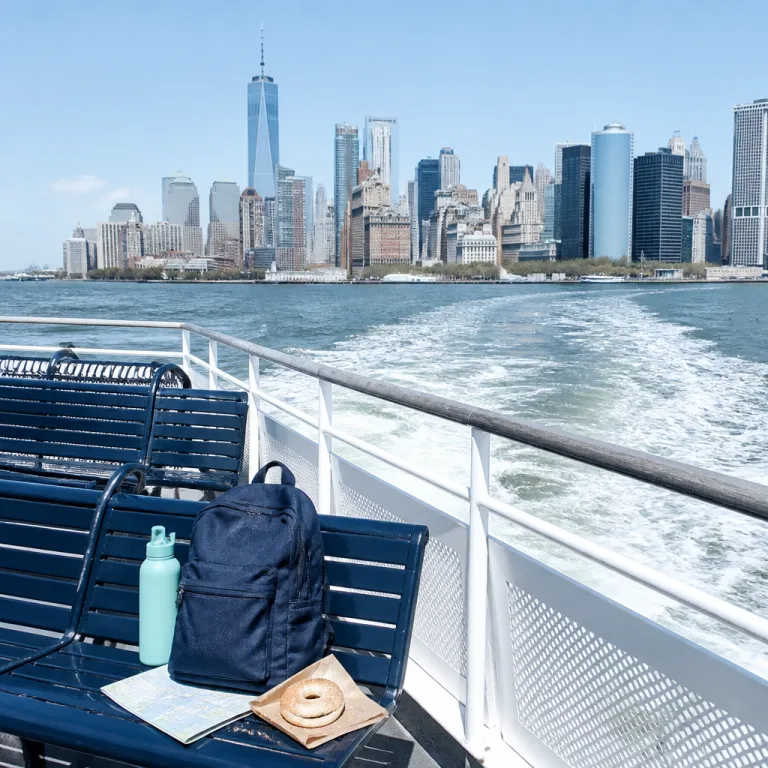
Some budget travelers choose Staten Island for very low nightly prices, especially for longer stays. The Staten Island Ferry is free, runs all day and night, and delivers skyline views that many paid cruises try to replicate, which fits perfectly with the idea of New York City on a budget. The trade off is a longer commute into Manhattan, so this island works best if you plan fewer daily trips into the center.
Another often overlooked option is Roosevelt Island, set quietly in the East River between Manhattan and Queens. A small hotel or apartment here can feel like a retreat from the city, yet the tram and subway connect you to Midtown in minutes, which keeps both time and budget under control. From this island you enjoy free riverside walks, skyline views, and a calmer atmosphere after a busy day in NYC.
Smart booking strategies for hotels in NYC
Comfortable stays in New York City on a budget depend as much on timing as on location. Prices shift dramatically by month, day of the week, and even by specific night, so understanding these patterns helps you protect your New York budget without sacrificing quality. With a clear plan, you can enjoy free upgrades or perks that make a modest room feel more luxurious.
For many travelers, January and February are the most forgiving months for hotel rates in Manhattan and Brooklyn. Cold weather reduces demand, which means you often find four star properties priced closer to what a two star might cost at another time of year, especially for Sunday through Thursday stays. If you can handle winter temperatures, these months are ideal for experiencing NYC’s cultural life while keeping your budget intact.
Those who must travel in peak periods should focus on flexibility with dates and neighborhoods. Shifting your arrival by a single day can sometimes reduce the nightly rate by a surprising margin, particularly around major events in the city center. Use comparison tools, but always check the hotel’s own site for packages that include free admission to a museum or park related experiences, which effectively lowers your total cost.
Hostels and simple hotels play a crucial role for budget travelers in NYC, and the dataset confirms that the average hostel price per night is around 50 USD. When you combine that with a 7 day unlimited MetroCard at about 34 USD, you create a predictable transport and lodging base that keeps your New York budget stable. Street food vendors then help you maintain control over daily meal costs, with an average cost of a street food meal around 5 USD.
When evaluating properties in Manhattan or on any island, look beyond the headline rate. Consider whether Wi Fi, breakfast, and access to a small fitness center are included, because these extras can add up quickly if charged separately each day. A slightly higher nightly price that includes such amenities may actually be the better budget choice over the course of a week in NYC.
Finally, pay attention to cancellation policies and payment timing, especially for longer New York City stays. Flexible rates allow you to rebook if prices drop later in the year, which happens often in this dynamic city, particularly in shoulder seasons around late winter and early autumn. This strategy keeps your options open while you continue to refine your plan for the things you most want to experience.
Using transport wisely to keep your New York budget under control
Moving around New York City on a budget is surprisingly straightforward once you commit to public transport. The subway and buses reach every borough, from Manhattan to Brooklyn and from Staten Island to the Bronx, which means you rarely need a taxi for standard sightseeing. By planning your routes around parks, museums, and cultural centers, you can enjoy free transfers and minimize wasted time.
For most visitors staying at least four or five days, the 7 day unlimited MetroCard offers excellent value. At around 34 USD, it allows unlimited rides on subways and local buses, turning the entire city into your accessible backyard for a fixed cost that protects your New York budget. This pass is especially powerful if you plan to cross between Manhattan, Brooklyn, and any other island multiple times per day.
Walking remains one of the most underrated tools for experiencing NYC comfortably and cheaply. Distances between major sights in central Manhattan, such as Bryant Park, Times Square, and the Empire State Building, are often shorter than they appear on a map, which makes strolling both practical and pleasant. You can enjoy free street performances, window shopping, and unexpected views of the Hudson River or East River simply by choosing your feet over a cab.
Some of the best skyline experiences in New York City cost nothing at all. The Staten Island Ferry is free and runs regularly, offering open air decks with views of the Statue of Liberty, Lower Manhattan, and the harbor, which fits perfectly with the idea of New York City on a budget. Taking this ferry by day and again at night gives you two very different perspectives without touching your budget.
Crossing the Brooklyn Bridge on foot or by bicycle is another essential free activity. From Manhattan to Brooklyn, the bridge walkway delivers sweeping views of the East River, the Financial District, and the wider city, while also serving as a practical route between boroughs, which helps you enjoy free exercise instead of paying for transport. Many travelers walk one way by day and return after nightfall to see the skyline illuminated.
Within Manhattan itself, consider using crosstown buses to connect the west side and east side efficiently. These routes are included in your MetroCard and link places like Central Park, the Museum of Modern Art, and neighborhoods along the Hudson River without the need for expensive rideshares, which keeps your New York budget focused on experiences rather than transit. When you combine walking, buses, and the subway, the entire city becomes manageable and affordable.
Free and low cost experiences that feel truly luxurious
Comfort in New York City on a budget is not only about your bed, but also about how you spend your days. The city offers a remarkable number of free and low cost experiences that feel indulgent, especially when you weave them between paid highlights, which allows you to enjoy free moments of calm and beauty. With thoughtful planning, you can fill each day and night with things that feel rich in memory rather than in price.
Central Park is the obvious starting point, yet its scale still surprises many visitors. From the west side near the Hudson River to the east side facing the Museum of Modern Art and Fifth Avenue, this park in Manhattan functions as a vast outdoor living room for NYC residents and travelers alike. You can picnic with children, watch street performers, or simply sit by the lake, all without spending a cent from your New York budget.
Smaller green spaces add variety to your itinerary. Bryant Park, located behind the New York Public Library, offers free chairs, seasonal events, and a relaxed atmosphere that feels almost European in the heart of Manhattan, which makes it a perfect pause between shopping and museum visits. On the west side, Hudson River Park provides long promenades, piers, and sunset views that rival many paid observation decks.
Museums across NYC understand that cultural access should not depend on income. Many institutions offer free admission evenings or pay what you wish hours, allowing you to experience world class modern art, history, and design while respecting your New York budget and your commitment to New York City on a budget. Always check schedules in advance, because these windows can change by day and by time of year.
Families with children can build entire days around free or low cost cultural activities. Start with a morning walk across the Brooklyn Bridge, continue to a playground in Brooklyn Bridge Park, then return to Manhattan for a late afternoon museum session during a free admission period, which creates a full yet affordable day. This rhythm keeps energy high and costs low, while still delivering the sense of a rich NYC experience.
Nighttime does not have to mean expensive shows or clubs. A stroll through Times Square at night offers a spectacle of light and sound that feels almost theatrical, yet remains completely free, especially if you simply wander and take photographs, which suits any New York budget. Combine that with an evening walk along the East River or the Hudson River, and you have a memorable night without straining your finances.
Iconic sights on a budget: from the Statue of Liberty to the Empire State Building
Many travelers worry that New York City on a budget means skipping its most famous landmarks. In reality, you can experience icons like the Statue of Liberty, the Empire State Building, and Times Square with careful planning that balances paid tickets and free vantage points, which keeps your New York budget intact. The key is to decide where you want to invest money and where a free alternative will satisfy you.
For the Statue of Liberty, you have two main approaches. The classic route involves a paid ferry to Liberty Island and Ellis Island, which is worthwhile if you value close up views and museum access, especially for children interested in immigration history, but this will take a good part of your day. If your budget is tighter, the free Staten Island Ferry passes near the statue, giving you excellent photo opportunities and skyline views without any ticket cost.
Observation decks require similar decisions. The Empire State Building and the newer platforms at Hudson Yards or near the west side rail yards all offer dramatic views, yet tickets can be expensive for a family, especially in peak times of year, so consider choosing just one paid deck. Complement that choice with free skyline perspectives from the Brooklyn Bridge, from Brooklyn Bridge Park, or from the promenades along the East River and Hudson River.
Times Square itself is best treated as a visual experience rather than a shopping destination. You can enjoy free entertainment simply by standing in the square, watching the screens, and perhaps catching a costumed character or street performer, which aligns perfectly with the spirit of New York City on a budget. Save your spending for a single special meal or a carefully chosen show instead of impulse purchases.
When it comes to museums, consider how you distribute your time between major institutions and smaller cultural centers. A focused visit to the Museum of Modern Art or another flagship museum can be paired with free admission hours at smaller galleries or with outdoor public art in parks across Manhattan and Brooklyn, which keeps your New York budget balanced while still satisfying a deep interest in modern art and design. This mix ensures that each paid ticket feels intentional rather than automatic.
Do not overlook lesser known vantage points that cost nothing. Walking the length of the High Line on the west side, exploring viewpoints on Roosevelt Island, or simply climbing the public steps of certain plazas near the state building offices all offer fresh angles on the city, which helps you enjoy free perspectives that many visitors miss. These choices prove that comfort and visual drama do not always require a premium ticket.
Eating and unwinding well while keeping your New York budget intact
Food and relaxation often determine whether New York City on a budget feels comfortable or constrained. The city excels at offering both quick, inexpensive meals and more leisurely dining, especially if you are willing to explore beyond the most touristy blocks of Manhattan and Brooklyn, which allows your New York budget to stretch further. With a little research, you can enjoy free moments of indulgence that rival far pricier experiences.
Street food vendors are essential allies for budget travelers in NYC. With an average cost of around 5 USD per meal, they provide filling options that let you reserve funds for one or two special dinners per year or per trip, whether in Midtown, the west side, or across the East River in Brooklyn, and this balance keeps your overall budget healthy. Look for busy carts near parks, squares, and transport hubs, where high turnover usually signals freshness.
Hostel operators and simple hotels often partner with nearby cafés to offer discounted breakfasts. Taking advantage of these arrangements can reduce your daily food costs significantly, especially for families with children who might otherwise order multiple items each morning, which quickly adds up in a city like NYC. Ask at reception about local deals, because many properties quietly maintain such partnerships to support budget conscious guests.
When you need a break from the streets, parks become your living room. Central Park, Bryant Park, and smaller green spaces across central Manhattan and Brooklyn offer comfortable seating, shade, and sometimes free cultural programming, which lets you unwind without paying for another café table. These pauses are vital on a New York budget trip, because they restore energy without draining your wallet.
Nightlife does not have to mean expensive cocktails or club entries. Many neighborhoods along the Hudson River and East River feature casual waterfront bars where you can nurse a single drink while enjoying skyline views, or you can simply sit on a public bench and watch the city lights, which is entirely free and perfectly aligned with New York City on a budget. In both Manhattan and Brooklyn, look for happy hour deals if you do want a more traditional evening out.
Finally, remember that comfort includes mental ease. By planning a realistic New York budget that accounts for transport, food, and a few paid highlights, you free yourself to enjoy the city rather than worry about every small purchase, which is the true luxury of thoughtful travel. As one expert summary puts it, "Is it possible to visit NYC on a budget?" and the clear answer is "Yes, with careful planning and utilizing affordable options."
Key figures for experiencing New York City on a budget
- The average hostel price per night in NYC is about 50 USD, which makes shared accommodation a strong option for budget travelers compared with many major global capitals (source: NYC budget travel guides and hostel booking platforms, data reviewed in early 2024; figures checked in 2024, but always confirm current rates).
- A 7 day unlimited MetroCard currently costs around 34 USD, and for visitors who ride the subway or buses multiple times per day, this usually undercuts the cost of single fares within just three days of active sightseeing (source: Metropolitan transport pricing information, 2024; prices are subject to change, so verify shortly before travel).
- Typical street food meals in NYC average roughly 5 USD, allowing a traveler to keep daily food spending under 20 USD if they combine carts with supermarket snacks and occasional sit down meals (source: NYC focused budget travel analyses compiled in 2023–2024 and informal price checks; actual costs vary by vendor and neighborhood).
- Many major museums in Manhattan and Brooklyn offer weekly free admission or pay what you wish hours, which can reduce cultural ticket costs by more than half over a week long stay when used strategically (source: institutional visitor information pages, updated annually; check exact days and times before visiting, as schedules change).
- Staying in outer boroughs such as Brooklyn or on Staten Island can lower nightly accommodation costs by 20 to 40 percent compared with central Midtown Manhattan during busy times of year, while still keeping you within a reasonable commute of key sights (source: comparative hotel pricing surveys and booking site snapshots reviewed in 2024; actual savings vary by season and specific neighborhood).
FAQ about staying in New York City on a budget
Is it really possible to enjoy New York City on a tight budget?
Yes, it is entirely realistic to experience New York City on a budget if you combine affordable accommodation, a 7 day unlimited MetroCard, and a focus on free or low cost attractions. Using hostels or simple hotels, eating at street food vendors, and planning around free admission museum hours can cut overall costs dramatically. Many travelers find that these strategies still allow for one or two premium experiences without overspending.
What are some genuinely free attractions I should prioritise?
Central Park, the Brooklyn Bridge, the Staten Island Ferry, Bryant Park, and neighborhood walks along the Hudson River or East River all offer rich experiences at no cost. Times Square at night, public art installations, and seasonal events in parks across Manhattan and Brooklyn also belong on any list of things visitors can enjoy free of charge. By building your days around these options, you reserve your New York budget for a few carefully chosen paid highlights.
How can I save money on transport while still seeing the whole city?
The most effective tactic is to buy a 7 day unlimited MetroCard and rely on subways and buses for most journeys. Combine this with walking between nearby sights in central Manhattan, such as Bryant Park, Times Square, and the Empire State Building, to avoid unnecessary rides. Free options like the Staten Island Ferry also double as sightseeing experiences, which further supports New York City on a budget.
Which areas are best for budget friendly yet comfortable hotels?
Within Manhattan, look slightly away from Times Square and the busiest avenues, focusing on streets near Bryant Park, the west side, or the east side where prices can be lower. In Brooklyn, neighborhoods like Downtown Brooklyn or Brooklyn Heights offer quick access to the Brooklyn Bridge and the subway, often at more moderate rates. Roosevelt Island and parts of Queens can also provide good value while keeping you connected to the city center.
How far in advance should I book to get good prices?
For peak periods, booking several months ahead usually secures better rates and a wider range of room types. In quieter months such as January and February, you may find attractive last minute deals, but it is still wise to monitor prices over time and rebook if they drop. Flexible cancellation policies give you the freedom to adjust as your plans for New York City on a budget evolve.
