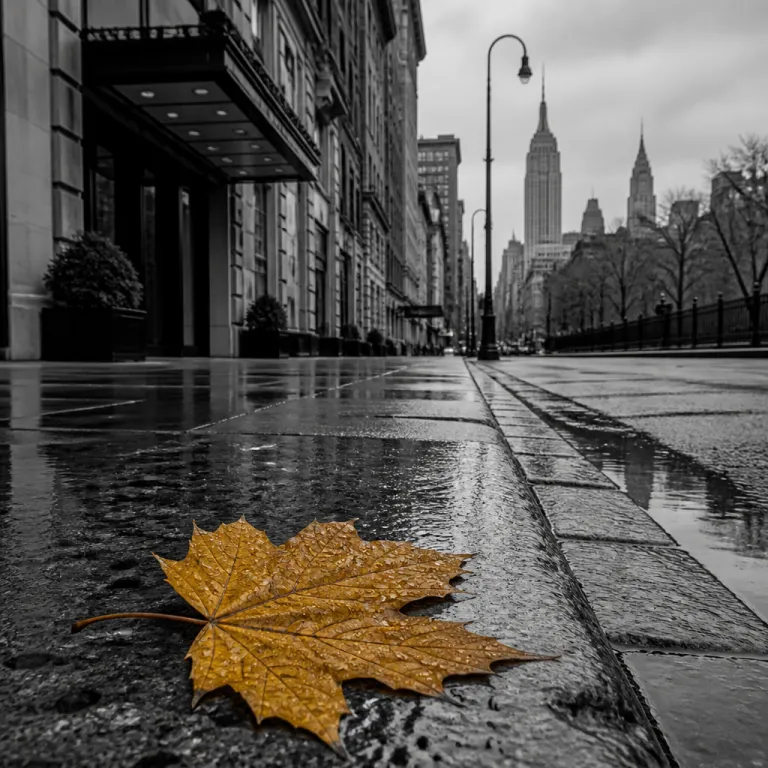
How seasons shape the best time to visit New York
Choosing the best time to visit New York starts with understanding its four distinct seasons and how they affect your stay. Travelers planning a visit to New York City should weigh daylight hours, crowd levels, and hotel pricing against the average temperatures that define each period. When you align your travel dates with the season that matches your priorities, you transform a simple trip into a tailored stay in one of the world’s most dynamic cities.
Across the year, spring from April to June and fall from September to November usually offer the best balance of pleasant weather, manageable crowds, and attractive hotel options in every borough of New York City. Tourism authorities and travel agencies consistently highlight that “Spring (April to June) and fall (September to November) offer pleasant weather for outdoor activities.” For many guests visiting New York City for the first time, these shoulder seasons feel like the best time because they combine comfortable average temperatures with easier access to hidden gem stays in Manhattan, Brooklyn, Queens, the Bronx, and Staten Island.
Winter in New York brings crisp air, festive events, and some of the lowest typical hotel rates of the year. Summer, by contrast, delivers long days, high temperatures in New York, and a full calendar of outdoor activities, but also higher prices and busier streets in every park and neighborhood. When you evaluate each season New York offers through the lens of typical weather patterns, crowd data, and your own tolerance for heat or cold, you can pinpoint the time of year that truly represents the best moment for your stay.
Spring in New York: blooming parks and value friendly hotel stays
For many travelers, spring is the best time to visit New York because the city feels newly energized yet still accessible. From April, average temperatures in New York City climb into the mid teens Celsius, making it comfortable to walk between your hotel and nearby attractions without relying constantly on taxis or the subway. If you plan to visit New York during this season, you will find that weekdays often offer better room rates and quieter lobbies than weekends packed with events.
Central Park becomes the star of spring, and staying near the park lets you enjoy early morning walks among cherry blossoms before day trippers arrive. The average temperature during late spring supports long outdoor activities, from rowing on the Central Park lake to exploring the High Line or smaller neighborhood parks in Brooklyn and Queens. When you are visiting New York in spring, consider hotels close to green spaces, because these locations make it easier to adapt your day if New York weather conditions shift between sunshine and showers.
Spring is also rich in recommended experiences that connect you with local life rather than only headline attractions. You might time your visit dates around cultural events in Lincoln Center, food festivals in Queens, or gallery openings in Chelsea, then retreat to a quiet property in a residential block once the crowds thin. A frequent local tip is to walk through the West Village just after a light spring rain, when café terraces reopen and the streets feel calm. For someone comparing what New York offers in spring versus fall, this season often wins on softer light, milder temperatures citywide, and a sense of renewal that pairs beautifully with first time travel to the United States and especially to New York City.
Summer in NYC: long days, high temperatures, and waterfront escapes
Summer in New York City is intense, vibrant, and often humid, which makes it both thrilling and challenging for hotel guests. Average temperatures in July can reach around 30 °C (about 86 °F), and this average temperature means you should choose accommodation with reliable air conditioning and easy access to shaded streets or a nearby park. If your goal is to experience the city at full volume, this can still be the best time to visit New York, provided you plan your activities around the heat.
One of the classic recommended experiences in summer is a day trip to Coney Island, where sea breezes soften the temperatures visitors feel in the dense streets of Manhattan. Many travelers staying in Brooklyn or lower Manhattan plan a full day at Coney Island, combining the beach, the boardwalk, and amusement rides before returning to their hotel to cool down. When visiting New York in the hottest months, schedule outdoor activities early in the day or late in the evening, and use the middle of the day for museum visits or a rest in your room.
Summer also brings major events that can influence both the best time and the best place to stay. If you want to attend a day parade, outdoor concert, or fireworks display such as the Fourth of July celebrations, you should book your hotel well in advance because demand spikes around these events in New York City. For some guests, the crowded subways, higher average temperatures, and peak season pricing make summer less attractive, but for others the long evenings, rooftop bars, and waterfront walks define their personal best time of year to visit New York.
Fall in New York: golden light, cultural events, and smart hotel choices
Many seasoned travelers quietly agree that fall is the best time to visit New York, especially for those who value atmosphere and culture. From late September through October, average temperatures cool to comfortable levels, and the city’s trees shift into deep reds and golds that transform every park into a cinematic backdrop. If you plan to visit New York City during this period, you will find that the weather offers crisp mornings and mild afternoons, ideal for long walks between boroughs and along the rivers.
Central Park in fall is a highlight, and staying within walking distance lets you enjoy sunrise jogs or evening strolls when the paths are less crowded. Average temperatures during October often sit in the low teens Celsius, which supports full day activities without the fatigue that summer heat can bring. For guests visiting New York primarily for museums, theater, and dining, this season combines a packed calendar of events with a more relaxed pace than the festive rush of winter.
Hotel pricing in fall can be higher than in winter but often remains more reasonable than peak summer, especially if you avoid major events and large conventions. When you evaluate what New York offers in fall, consider pairing cultural outings with recommended experiences such as a walk along the Brooklyn Heights Promenade at sunset or a ferry ride past the Statue of Liberty. For many international visitors to the United States, this balance of comfortable temperatures across New York, rich events, and sophisticated dining makes fall their personal best time of year to secure a memorable stay.
Winter in NYC: festive lights, sharp temperatures, and value driven stays
Winter in New York City offers a very different answer to the question of the best time to visit New York, but it can be ideal for value conscious hotel guests. From December through February, average temperatures often fall close to or below freezing, so you should prioritize properties near the subway or key attractions to reduce your time outdoors. For some travelers, the combination of crisp air, holiday decorations, and quieter museums turns winter into the best season for a reflective urban escape.
Rockefeller Center becomes a focal point in winter, with its famous ice rink and towering tree drawing visitors from across the United States and beyond. Staying in Midtown allows you to walk to Rockefeller Center, Fifth Avenue window displays, and nearby theaters, then quickly retreat to your room when the wind picks up. Because hotel prices in New York City often drop noticeably after the holiday peak, especially in January, this time of year can deliver excellent value for longer stays that include both indoor and outdoor activities.
Winter also features iconic events such as the Times Square New Year’s Eve celebration and the Macy’s Thanksgiving Day Parade earlier in the season, which can influence where and when you book. When visiting New York during the coldest months, plan your daily schedule around short outdoor segments linked by cafés, galleries, and performances, rather than long stretches in the open air. For guests who prioritize budget, cultural depth, and the ability to see major sights like Central Park and Rockefeller Center without overwhelming crowds, winter may quietly become their preferred answer to when to visit New York City.
Aligning your hotel choice with the best time to visit New York
Once you understand how each season shapes the city, you can match your hotel strategy to the best time to visit New York for your needs. Travelers focused on outdoor activities and parks should target spring or fall, choosing properties near Central Park, the Hudson River Greenway, or neighborhood squares in Brooklyn and Queens. Those who care more about indoor culture and value might find that winter in New York City, with its lower average temperatures but also lower room rates, is the best compromise.
When you plan to visit New York, consider how long you want to spend outside each day and how far you are comfortable walking in different New York weather conditions. In summer, prioritize hotels with strong air conditioning and easy subway access so you can move quickly between shaded areas, museums, and your room during the hottest time of year. In shoulder seasons, you can focus more on characterful neighborhoods, knowing that average temperatures and average temperatures at night will usually support evening strolls and late dinners.
Hidden gem stays across the boroughs reward guests who look beyond the obvious choices and align their bookings with specific recommended experiences. For example, if visiting New York for a Coney Island beach weekend in summer, staying in Brooklyn can shorten your travel time and let you enjoy local restaurants after a long day by the water. By weighing what New York offers in each season against your own priorities for comfort, budget, and proximity to highlights like Central Park, Rockefeller Center, and Coney Island, you can define your personal best time and secure a hotel that turns your visit to New York into a memorable chapter of your travel life in the United States.
Key figures that help you choose the best time to visit New York
- Average high temperature in July in New York City reaches about 30 °C (86 °F), which makes summer attractive for late evening walks but challenging for midday sightseeing, especially if your hotel is far from a park or waterfront area (based on long term National Weather Service climate summaries).
- Hotel prices in New York City often fall significantly in January compared with peak festive periods, turning winter into one of the most cost effective times of the year for extended stays (industry analyses of seasonal pricing trends show notable post holiday drops).
- Tourism data and booking patterns consistently show that January to early March, excluding major holidays, is often the cheapest period to visit New York City, which aligns with lower average temperatures and lighter crowds in museums and theaters.
- Visitor statistics and crowd tracking tools indicate that February, September, and January are among the less crowded months in New York City, which can noticeably improve your experience at Central Park, Rockefeller Center, and other headline attractions.
- Travel planning studies highlight growing interest in fall foliage trips to New York, especially during October, when average temperatures and clear skies combine to create ideal conditions for outdoor photography and park walks.
FAQ about the best time to visit New York for hotel stays
What is the cheapest month to visit New York City for hotels ?
The cheapest months to visit New York City for hotels are typically January to early March, excluding major holidays when special events push prices up. During this period, average temperatures are low, but you benefit from reduced demand and noticeable discounts on rooms across multiple boroughs. If you can handle cold New York weather conditions, this can be the best time to secure upscale stays at mid range prices.
When is New York City least crowded for major attractions ?
New York City is generally less crowded in February, September, and January, which affects both hotel availability and the feel of attractions. Visiting New York during these months means shorter lines at museums, more space in Central Park, and easier access to tickets for shows. For many travelers, this lighter foot traffic defines their personal best time of year to explore the city.
Which season is best for outdoor activities in NYC parks ?
Spring and fall are widely regarded as the best seasons for outdoor activities in New York City parks, including Central Park, Prospect Park, and smaller neighborhood spaces. Average temperatures during these months support long walks, cycling, and picnics without the extremes of summer heat or winter cold. If your visit to New York focuses on parks and waterfronts, these shoulder seasons offer the most comfortable balance of weather and daylight.
Is summer a good time to visit New York despite the heat ?
Summer can still be a good time to visit New York City if you plan carefully around the heat and crowds. Long days allow you to schedule early morning and late evening activities, while using the hottest hours for indoor attractions or rest in your air conditioned hotel. For guests drawn to Coney Island, rooftop venues, and outdoor events, this season may feel like the best time despite higher average temperatures.
How should I choose my hotel location based on the time of year ?
Your ideal hotel location in New York City depends strongly on the time of year you travel and your planned activities. In winter, staying close to Rockefeller Center, Broadway, or major subway hubs reduces your exposure to cold temperatures across the city, while in spring and fall you might prioritize proximity to Central Park or neighborhood parks. During summer, consider areas with easy access to the waterfront or Coney Island, so you can balance urban exploration with cooler breezes and outdoor relaxation during your visit to New York.
