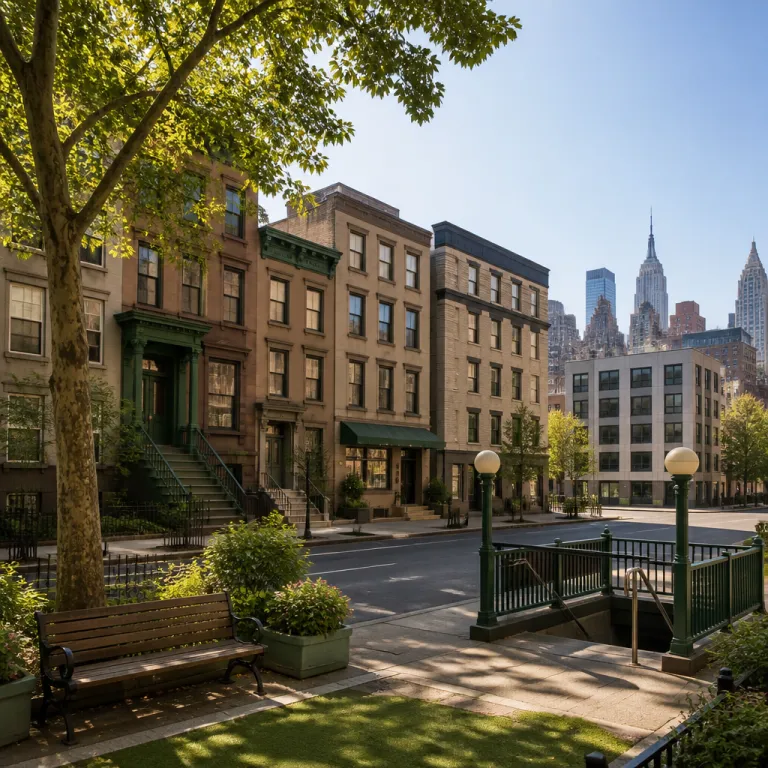
Understanding where to stay in New York City across the boroughs
Choosing where to stay in New York City starts with understanding its geography. The dense heart of New York City stretches from Lower Manhattan up through Midtown Manhattan and the leafy Upper West Side, while across the river Brooklyn offers quieter streets and creative energy. Travelers, hotel managers, and travel agents all interact here as key actors in a complex hospitality ecosystem that shapes every stay.
Most first time visitors ask where they should stay in New York for easy access to landmarks, and the honest answer is that the best area depends on whether you prioritise icons, nightlife, or calmer residential streets. Official tourism data from NYC & Company and recent STR reports show that there are several hundred hotels spread across NYC, which means there are excellent places to stay for every budget but also a bewildering number of choices. To narrow your options, start by deciding whether you want to wake up near Central Park, walk to the Brooklyn Bridge, or step outside directly into the lights of Times Square.
Accommodation selection in this city follows a clear pattern of research, comparison, and reservation, and using that structure will help you find the perfect place. Begin by mapping the attractions you care about most in Manhattan or Brooklyn, then shortlist three to five hotels where the room types and nightly rates align with your budget. Once you have that list, check prices on at least two booking platforms, read recent guest reviews carefully before you commit to any stay, and note the publication date of any price data you rely on so you can adjust for current conditions.
Timing your stay and finding the right pace in the city
When you plan where to stay in New York City, timing can be as important as location. Hotel rates in NYC fluctuate sharply with major events, school holidays, and business travel cycles, so the same room in Midtown can cost double at peak times. If you are flexible, use a calendar view on booking platforms to check prices across several weeks and identify quieter periods for your stay.
Season also shapes how each neighbourhood feels and which places to stay feel most appealing. In warmer months, a hotel near Central Park or Battery Park lets you balance intense city days with evening walks under trees, while in colder seasons a base near Grand Central or Midtown Manhattan keeps you close to indoor attractions and transit. For a deeper look at how weather and crowds affect your experience, consult a detailed guide on the best time to visit New York City by season before you finalise your booking.
Hidden gem stays often shine brightest when the city is less frantic and hotel staff have more time to personalise service. A small property on the West Side near a neighbourhood park may feel like a private retreat in shoulder seasons, yet feel crowded and less intimate during peak tourist times. Aligning your travel dates with your tolerance for crowds will help you find not only a good room but a genuinely great stay, especially if you combine off peak dates with neighbourhoods that match your preferred pace.
Midtown, Times Square and Grand Central for first time energy
For many visitors, the answer to where to stay in NYC begins in Midtown Manhattan. This central band of the city runs roughly from 34th Street to 59th Street and includes Times Square, Grand Central Terminal, and easy access to Central Park, making it a classic place to stay for first timers. If you want to step outside your hotel and feel the pulse of New York immediately, this is often the best choice.
Times Square itself is intense, bright, and noisy, yet some hotels here offer surprisingly quiet rooms on higher floors with double glazing. These properties are ideal when you want to walk to Broadway shows, late night eat and drink options, and subway lines such as the 1, 2, 3, N, Q, R, and W that connect quickly to Lower Manhattan or the Upper West Side. When you compare hotels in New York in this zone, always check prices for both weekday and weekend nights because business demand around Grand Central can push midweek rates higher than you might expect.
Just a few blocks away, the area around Bryant Park and Fifth Avenue feels more polished and slightly calmer while remaining central. Here you will find a mix of classic hotel names and newer lifestyle properties, many with a rooftop bar that frames the Empire State Building or the Midtown skyline. To understand how each micro area differs, use a neighbourhood focused resource such as a specialised New York travel guide for choosing your area before deciding exactly where to stay in New York City, and then match specific addresses to nearby subway stations like Times Sq–42 St or Grand Central–42 St so you can estimate door to door transit times.
Greenwich Village, the west side and hidden gem stays downtown
If you prefer characterful streets and café culture, Greenwich Village and the surrounding West Side may be your perfect place. These neighbourhoods sit south of Midtown and north of Lower Manhattan, offering tree lined blocks, historic townhouses, and a slower rhythm while still being firmly in NYC. Many travelers who return to New York City repeatedly choose this area once they have seen the major sights.
Within Greenwich Village you will find intimate hotels with fewer rooms, often tucked above restaurants where locals eat and drink late into the evening. Rooms here may be smaller than in Midtown, but the trade off is a stay that feels woven into daily city life rather than perched above it. When you check prices, compare what is included in the nightly rate, because some of these New York hotels bundle breakfast, Wi Fi, or access to a nearby park into the overall cost, and a few boutique properties even include bike loans or late checkout.
Continue south into Lower Manhattan and you reach SoHo, Tribeca, and the Financial District, each offering distinct places to stay for different styles of trip. A design forward hotel near the Brooklyn Bridge or Battery Park works well if you want skyline views and easy ferry access, while a converted warehouse in Tribeca suits travelers who prioritise dining and galleries. In this part of the city, the best hidden gems often sit on quieter side streets, so zoom in on maps, note walking times to subway hubs such as West 4 St–Washington Sq or Chambers St, and read recent guest reviews carefully before you decide where to stay.
Brooklyn neighbourhoods for creative energy and better value
Crossing the East River to Brooklyn opens up a different answer to where to stay in New York City. Areas like Brooklyn Heights, DUMBO, and Williamsburg offer skyline views back toward Manhattan, often with slightly better value per room than equivalent properties in Midtown. For travelers who want a good balance between neighbourhood calm and city access, these districts can be a great place to stay.
Near the Brooklyn Bridge, Brooklyn Heights combines historic brownstones with a waterfront park and a growing collection of stylish hotels. Many of these New York hotels feature a rooftop bar with sweeping views of Lower Manhattan, giving you a dramatic backdrop without the constant noise of Times Square. When you check prices here, remember to factor in the short subway ride on lines such as the 2, 3, A, or C to Central Park or the Upper West Side, which usually takes less than thirty minutes door to door from stations like Clark Street or High Street.
Further north, Williamsburg and Greenpoint attract younger travelers and creative professionals who value nightlife and independent venues where locals eat and drink. Hotels and even the occasional upscale hostel in these areas often feature communal spaces, co working corners, and rooms designed for longer stays, which can be ideal if you are working remotely. If you are deciding where to stay between Manhattan and Brooklyn, think about whether you prefer to end your day in a quieter neighbourhood bar or in the bright rush of New York City’s central districts, and then compare typical travel times on the L or G train to the places you plan to visit most.
Hostels, rooms and practical strategies for choosing your perfect place
Not every traveler wants or needs a full service hotel, and NYC caters well to varied budgets. Modern hostel options in Manhattan and Brooklyn now offer private rooms alongside traditional dorms, giving cost conscious visitors more flexibility in how they structure their stay. These properties can be a good place to stay if you value social spaces and are willing to trade some privacy for savings.
When you compare New York hotels, hostels, and short term rentals, focus on three pillars, which are location, total trip cost, and comfort. Industry surveys and recent STR data suggest that the average hotel price per night in New York City is often around 250 USD, so using that figure as a benchmark helps you judge whether a particular room represents good value. Always check prices for your full set of dates, including taxes and fees, then weigh that against commute times to key areas like Midtown Manhattan, Greenwich Village, or the West Side.
Practical details matter as much as glossy photos when you decide where to stay in New York City. Look closely at room size in square metres, proximity to subway lines, and whether there is a park or waterfront promenade nearby for a quick reset between sightseeing sessions. To ensure a smooth experience, follow three simple guidelines from local advisors, which are book in advance, consider proximity to attractions, and check for amenities before you finalise any stay in New York, using recent publication dates and up to date guest feedback to confirm that services still match the description.
Key figures to guide where to stay in New York City
- Recent hotel price surveys and STR indices indicate that the average hotel price per night in New York City is often around 250 USD, which means a seven night stay can exceed 1 700 USD before flights and activities.
- There are several hundred hotels operating across NYC, based on data from the local tourism board and NYC & Company, giving travelers a wide range of places to stay but also making careful research essential.
- Midtown Manhattan and Times Square are consistently identified as the best neighbourhoods for first time visitors, because they offer short travel times to Central Park, Grand Central, and many major museums.
- Budget friendly accommodation is more common in outer boroughs such as Brooklyn and Queens, where nightly rates can be significantly lower than in central Manhattan while still offering good subway connections.
FAQ about where to stay in New York City
What is the average cost of a hotel in NYC ?
The average cost of a hotel in NYC is often around 250 USD per night, based on recent industry indices that track rates across Manhattan, Brooklyn, and the other boroughs. Prices in Times Square and Midtown Manhattan often sit above this figure, while hotels further from the centre can fall below it. Always check prices for your exact dates, because major events and holidays can push nightly costs significantly higher.
Which neighbourhoods are best for first time visitors ?
For a first stay in New York City, Midtown Manhattan and the area around Times Square usually work best. These districts place you close to Central Park, Grand Central, major museums, and multiple subway lines that reach Lower Manhattan and the Upper West Side quickly. If you prefer a slightly calmer atmosphere, consider staying near Bryant Park or Greenwich Village while still keeping travel times short.
Are there budget friendly accommodations in NYC ?
Yes, there are budget friendly accommodations in NYC, especially if you look beyond the most central parts of Manhattan. Hostels with private rooms, smaller independent hotels, and some short term rentals in Brooklyn or Queens can all reduce your nightly cost. To find a good balance between price and convenience, focus on areas with reliable subway access and then compare several places to stay before you book.
Is it better to stay in Manhattan or Brooklyn ?
Staying in Manhattan is usually better if you want to walk to many of the classic sights and minimise travel times, especially on a first visit. Brooklyn, on the other hand, often offers more space, a neighbourhood feel, and slightly lower prices per room while still keeping you within a short subway ride of central attractions. Your perfect place will depend on whether you prioritise iconic landmarks outside your hotel door or quieter streets and local cafés where you can eat and drink alongside residents.
How far in advance should I book my hotel in New York City ?
For peak travel periods, it is wise to book your hotel in New York City at least two to three months in advance. This lead time gives you better access to the best rooms and allows you to check prices across multiple properties before they rise. Outside peak times, you may find good last minute deals, but for popular areas like Times Square or Greenwich Village, earlier reservations remain the safer strategy.
