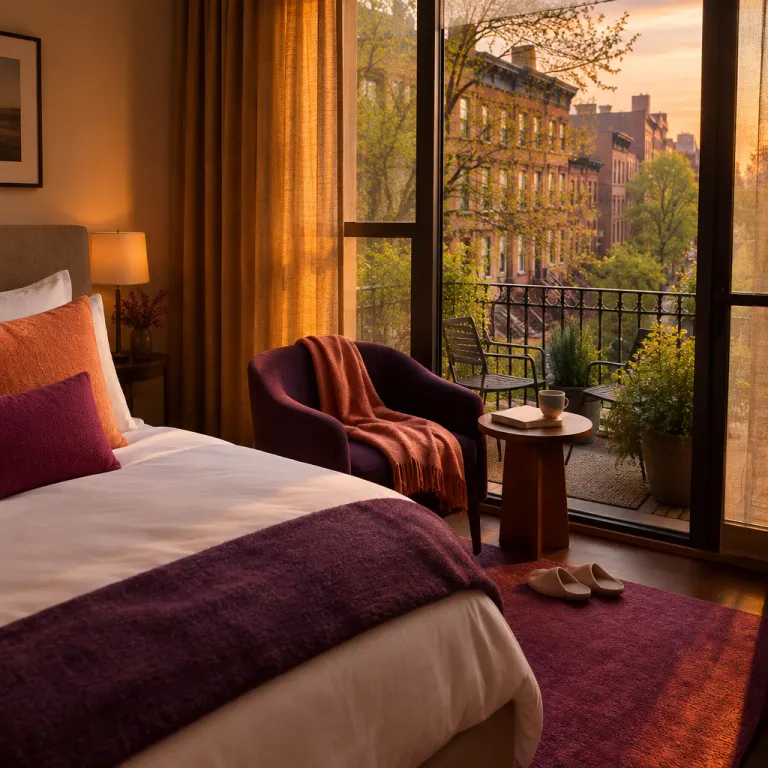
Why hidden gems in New York City matter when you book your stay
Choosing where to sleep shapes how you experience the city. In a destination as intense as New York City, the right hotel can soften the noise, frame the skyline, and place you close to characterful streets rather than only tourist-heavy blocks. When you focus on lesser-known places to stay in New York, you trade queues and crowds for calm lobbies, quieter corridors, and a more local rhythm.
Many visitors arrive in Manhattan with only Times Square, Central Park, and the Empire State Building in mind. Those icons are essential things to visit in NYC, yet staying directly beside them can narrow how you explore the city and how you understand New York as a living place. Under-the-radar hotels and small inns often sit a few blocks off the main square or just beyond a famous park, where the same subway lines still run but the atmosphere feels more residential and refined.
Think of your hotel as your private map to the city. A well chosen address in midtown Manhattan, lower Manhattan, or the west side can place you within walking distance of both free attractions and lesser known streets filled with independent cafés. One guest who stayed on West 44th Street, for example, described it as “close enough to walk to Broadway, but quiet enough that we could hear birds in the morning instead of traffic.” When you plan a visit with this mindset, you start to see each building, each small park, and each corner square as part of a wider guide to New York City rather than just a backdrop for photos.
Choosing the right borough for hidden gem stays
New York is a collection of boroughs, each with its own character. For many first timers, Manhattan feels like the obvious choice, yet some of the best low-key stays in New York City sit in quieter corners of Brooklyn or Queens with quick subway links back to central sights. Your decision should balance travel time, budget, and how much you want to feel like a local rather than a short term guest.
In Manhattan, look beyond the brightest lights of Times Square and midtown Manhattan to neighbourhoods such as Greenwich Village, the east side around Murray Hill, or the west side near the Hudson River. These areas keep you close to Bryant Park, Grand Central Terminal, and the Empire State Building while offering calmer streets and smaller scale properties. For instance, a hotel on East 39th Street in Murray Hill typically sits about a 10 minute walk from Grand Central yet feels markedly quieter at night. When you compare boroughs, remember that staying in lower Manhattan near the World Trade Center or the Brooklyn Bridge gives fast access to the Statue of Liberty ferries and to Battery Park without sacrificing comfort.
Outside Manhattan, consider hotels near the Brooklyn Bridge waterfront or in Long Island City, where many rooms have skyline views back towards New York City. These districts often provide better value, more space, and easy access to both central Manhattan and local parks. A stay in Long Island City near Court Square, for example, usually means a subway ride of around 10 to 15 minutes to midtown. To time your stay well, use a dedicated resource such as a detailed guide to the best time to visit New York City by season, then match your preferred weather and crowd levels with a borough that suits your style.
Quiet corners near iconic Manhattan landmarks
Many travellers want to be close to Central Park, Times Square, or Grand Central, yet they do not want to sleep directly above a neon sign. The art lies in choosing discreet hotels in New York City that sit one or two blocks away from the busiest corners, where traffic softens and the pavements feel more residential. This approach lets you walk to the main things to visit in NYC while returning to a quieter base each evening.
Near Central Park, look for hotels on side streets between Fifth Avenue and the west side avenues, where tree lined blocks create a softer atmosphere. You remain close to the park’s running paths, free concerts, and lakeside views, yet your windows are more likely to frame historic building facades than flashing billboards. Around Bryant Park and the New York Public Library, similar side street addresses offer a refined alternative to the busiest parts of midtown Manhattan while keeping you near the Empire State Building and the Top of the Rock observation deck.
In lower Manhattan, streets around the World Trade Center, the financial district, and the Brooklyn Bridge approach hide several small scale properties in restored buildings. These locations place you within walking distance of Battery Park, ferries to the Statue of Liberty, and the riverside paths that circle the southern tip of New York City. For travellers who care about skyline photos, a resource such as a guide on how to choose a New York City hotel near the most Instagrammable views can help you match your room choice with the exact angles you want. A simple rule of thumb is that a room facing west or south in this area often captures the densest cluster of skyscrapers.
Hidden gem neighbourhoods with a local feel
Some of the most rewarding hidden gems in New York City are not individual hotels but entire neighbourhoods that feel like self contained villages. Greenwich Village, for example, offers tree lined streets, intimate restaurants, and a strong sense of history while still sitting close to both lower Manhattan and midtown. Staying here lets you explore Washington Square Park, independent bookshops, and jazz clubs on foot, then reach major sights by subway within minutes.
On the west side, areas such as Chelsea and the Meatpacking District combine converted warehouse buildings with contemporary galleries and the High Line park. Hotels here often feature rooftop terraces with views towards the Empire State Building or the Hudson River, yet the streets below feel calmer than those around Times Square. You can walk to free attractions such as the Chelsea art galleries or the riverfront paths, then take a short ride to more touristy things when you wish.
The east side offers a different rhythm, with neighbourhoods like the Lower East Side and the area around the United Nations building providing a mix of residential towers and historic walk ups. These districts suit travellers who want easy access to both midtown offices and downtown nightlife while still enjoying a local café culture. When you plan a visit, study a detailed map of New York City and look for hotels on quieter cross streets rather than directly on the main avenues, as this small shift often transforms your sleep quality. A sample day might start with coffee on a side street near First Avenue, continue with a 15 minute subway ride to Central Park, and end with dinner back in a neighbourhood bistro.
Balancing iconic sights with hidden stays in lower Manhattan
Lower Manhattan concentrates many of the city’s most famous landmarks, from the World Trade Center to the Brooklyn Bridge and the ferries to the Statue of Liberty. Staying here can feel intense if you choose a room directly beside a major square or transport hub, yet several tucked-away boutique hotels sit on side streets that most day visitors never notice. These addresses offer quick access to major sights while preserving a sense of calm once the office crowds go home.
Look for hotels near Stone Street, the Seaport District, or the quieter blocks behind Broadway, where cobblestones and historic façades soften the glass and steel skyline. From these bases, you can walk to Battery Park, join a cruise to the Statue of Liberty, or cross the Brooklyn Bridge at sunrise for some of the best free views in the city. When planning logistics, resources such as a detailed guide to planning Statue of Liberty tickets and hotels near Battery Park and Liberty State Park help you align ferry times, ticket options, and nearby accommodation.
Even within this compact area, each micro neighbourhood has its own character and practical advantages. The streets around the World Trade Center feel modern and spacious, with new parks and memorial spaces, while those closer to the Brooklyn Bridge mix historic warehouses with waterfront promenades. Use a detailed map and up to date local info to compare walking distances, subway lines, and the balance between office towers and residential buildings before you commit to a booking. As a rough guide, walking from the World Trade Center to the Brooklyn Bridge entrance usually takes about 15 to 20 minutes at a relaxed pace.
Practical tips to plan a visit focused on hidden gems
Once you have chosen a borough and a few favourite neighbourhoods, refine your search with practical filters. Prioritise hotels within 500 to 800 metres of at least two subway lines, as this dramatically reduces travel time to Central Park, Times Square, and other major sights. Check whether your chosen street is primarily residential or lined with late night bars, because this often matters more for sleep quality than the exact distance to a famous building.
Use online maps not only to see where a hotel sits in New York City but also to understand its surroundings at street level. Look for nearby parks, such as Bryant Park or smaller local squares, where you can enjoy free outdoor seating and a quieter atmosphere between excursions. When reading reviews, pay attention to comments from guests who mention noise levels, views, and how easy it felt to explore both touristy things and more local gems from that address.
Finally, balance your wish list of hidden gems in New York City with a realistic daily itinerary. Group visits to the Empire State Building, Top of the Rock, and Grand Central on one day if you stay in midtown Manhattan, then dedicate another day to lower Manhattan, the World Trade Center, and the Brooklyn Bridge. This structure reduces backtracking, saves time on the subway, and lets you enjoy both the famous skyline views and the quieter streets that make New York feel like a collection of intimate neighbourhoods rather than only a busy metropolis. A simple two day plan might pair a midtown morning with an afternoon in Central Park, followed by a second day focused on downtown landmarks and a sunset walk along the waterfront.
Key figures about New York City hotels and visitor patterns
- New York City welcomed roughly 66.6 million visitors in 2019, according to NYC & Company, which means that choosing hidden gem hotels can significantly reduce your exposure to peak crowd levels around major landmarks.
- Manhattan typically holds more than half of the city’s total hotel room inventory, yet boroughs such as Brooklyn and Queens have seen double digit percentage growth in new rooms over the past decade, giving travellers more options in emerging neighbourhoods.
- Average daily hotel rates in New York City are consistently among the highest in the United States, with NYC & Company reporting an average of over $250 per night in 2019, so staying slightly outside the most tourist heavy zones, such as a few blocks from Times Square or in Long Island City, can improve value without sacrificing access.
- Central Park covers roughly 3.4 square kilometres, and staying within walking distance of its entrances allows visitors to enjoy free recreation, jogging routes, and skyline views without paying extra for organised tours.
- The Staten Island Ferry, which offers open air views of the Statue of Liberty and lower Manhattan, carries more than 20 million passengers per year and remains one of the best free experiences for travellers who want harbour scenery without booking a separate cruise.
FAQ about hidden gem stays in New York City
Which neighbourhoods are best for a quieter stay near major sights ?
Greenwich Village, Chelsea, and the area around Bryant Park are strong choices for travellers who want calmer streets within easy reach of midtown and lower Manhattan landmarks. These neighbourhoods offer good subway connections while feeling more residential than Times Square. Side streets near Central Park on the west side also balance tranquillity with quick access to major attractions.
Is it better to stay in Manhattan or in another borough ?
Staying in Manhattan shortens travel times to many classic sights, which suits first time visitors with tight schedules. However, areas in Brooklyn and Queens, such as the Brooklyn Bridge waterfront or Long Island City, often provide better value and impressive skyline views back towards Manhattan. The best choice depends on whether you prioritise walking access or a more local atmosphere.
How can I find hotels that feel more local and less touristy ?
Focus your search on neighbourhood names rather than only on famous landmarks, then use maps to identify hotels on quieter cross streets. Read recent guest reviews that mention noise, nearby cafés, and how easy it felt to explore local gems on foot. Properties near small parks or residential blocks usually offer a more authentic daily rhythm than those directly on major avenues.
Are there free experiences near hidden gem hotels in New York City ?
Yes, many quieter neighbourhoods sit close to free attractions such as the High Line, Bryant Park events, riverfront promenades, and public art installations. Staying near Central Park or the Brooklyn Bridge also gives access to scenic walks without extra cost. Using a detailed city map, you can plan days that combine paid highlights with free local experiences around your hotel.
How far in advance should I book a hidden gem hotel in New York City ?
For peak seasons such as major holidays and school breaks, booking three to six months ahead usually secures better rates and room choices in sought after neighbourhoods. During quieter periods, you may find good options closer to your arrival date, but hidden gems with strong reputations still fill quickly. Flexible dates and midweek stays often improve both availability and pricing.