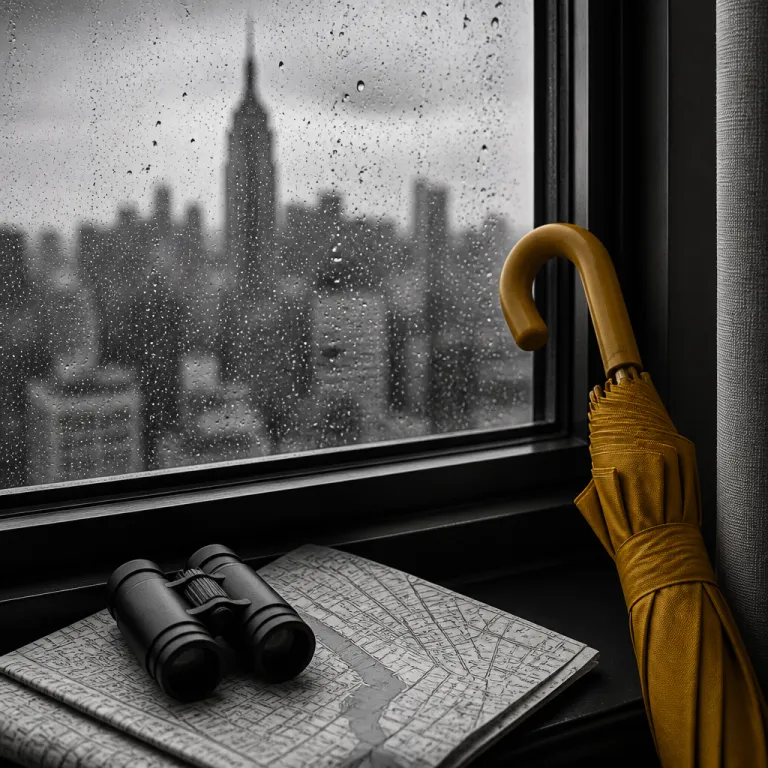
Planning what to see in Manhattan New York from your hotel
When you plan what to see in Manhattan, New York, start from your hotel lobby and think in terms of neighbourhoods rather than isolated sights. This approach saves time in a dense city where every street can feel like a film set and helps you match each cluster of attractions with the style of stay you have chosen in New York City. For travellers focused on comfort and efficiency, mapping your days around Central Park, Midtown skyscrapers, and Lower Manhattan landmarks will keep transfers short and your energy for exploration high.
Use Google Maps before you arrive to pin every museum, park, bridge, and observation deck you want to visit in Manhattan and across the river in Brooklyn. When you zoom into the map of NYC, you will see how close the best things are to one another in real New York City terms, such as the short walk between Times Square, the Empire State Building, and Grand Central Terminal. Many hotels now offer digital concierges that help you visualise these routes, but a personal list of the top things NYC offers in each district will give you more control over your schedule.
Think about your preferred views and walking distances, because that will influence where you sleep and what you see. If you want skyline views and quick access to Central Park, staying in Midtown Manhattan makes sense, while guests who prioritise food, the Hudson River waterfront, and Lower Manhattan history might choose a hotel near the World Trade Center. Decide early whether you prefer to walk between most attractions or rely on the subway, as this choice shapes how you experience the city and how much time you spend inside rather than on the street.
Central Park, museums, and the green heart of Manhattan
For many guests, the answer to what to see in Manhattan begins with Central Park, the 843 acre green rectangle that softens the skyline. From a hotel on the Upper West Side or Upper East Side, you can enter the park within minutes and reach the lake, the Ramble, or the Great Lawn on foot, turning a simple walk into one of the best free things to do in the city. Central Park is also a practical landmark, helping you orient yourself between the Hudson River to the west and the East Side museums that define this part of NYC.
Along Fifth Avenue, the Metropolitan Museum of Art anchors what many consider the best museum mile in New York City. Inside, more than two million artworks trace human creativity, and a visit here can easily fill half a day, especially if you combine it with a stroll through Central Park before or after your time among the galleries. Hotels in this area are ideal for culture focused travellers who want museums, quiet streets, and easy access to both uptown and Midtown Manhattan without sacrificing calm evenings.
Do not overlook smaller museums and cultural spaces that add depth to your stay in Manhattan. Many of them offer free or pay what you wish hours, which you can check in advance and mark on Google Maps to optimise both budget and time. When you step back outside, the contrast between the ornate museum façades and the glass towers of the city creates some of the most memorable views you will capture in any Instagram post during your visit.
Skylines, observation decks, and the most iconic views
Anyone asking what to see in Manhattan New York will quickly hear about the Empire State Building, Top of the Rock, and One World Observatory. Each observation deck offers different views of the city, and choosing between them is easier when you understand how they relate to your hotel location and daily plans in NYC. The Empire State Building, often called the Empire State by locals, sits in Midtown and delivers classic New York skyline vistas that many travellers recognise from films and postcards.
Top of the Rock at Rockefeller Center is ideal if you want a view that actually includes the Empire State and stretches north over Central Park. From many Midtown hotels, you can walk to Rockefeller Center, explore its shops and public art, then ride the elevator up in time for sunset, which is arguably the best time for sweeping views of Manhattan and beyond to Brooklyn. When you later scroll through your camera roll or view post galleries on your phone, you will notice how these perspectives help you understand the scale of New York City in a single glance.
Farther south, One World Observatory crowns One World Trade Center and looks out over the Hudson River, the Statue of Liberty, and the bridges that connect Manhattan to Brooklyn. Staying in Lower Manhattan places you close to this building, the 9/11 Memorial Museum, and the waterfront promenades that frame some of the most dramatic night views in NYC. Whether you share a carefully edited Instagram post or a more spontaneous Instagram story, these high altitude experiences become anchor memories of your time in the city.
Streets, bridges, and walks that define the city
When you think about what to see in Manhattan New York beyond the obvious landmarks, focus on the streets and bridges that shape daily life. A slow walk along Fifth Avenue, from the museums near Central Park down to the flagship stores in Midtown, reveals how commerce, culture, and architecture meet in New York City. From many central hotels, you can step directly onto this street and turn an ordinary shopping errand into a curated tour of façades, window displays, and unexpected city views.
Across the East River, Brooklyn feels close enough to touch, and the Brooklyn Bridge is your most atmospheric route between the two boroughs. Many visitors choose to walk from Brooklyn towards Manhattan so that the skyline unfolds in front of them, with the towers of Lower Manhattan, the World Trade Center, and the Empire State Building lining up in a single, unforgettable view. If you start early, the bridge can be one of the best free things NYC offers, and you will have time afterwards to explore the streets around City Hall or return to your hotel for a late breakfast.
Times Square, by contrast, is less about a walk and more about immersion in light, sound, and movement. Hotels in this part of Manhattan place you at the centre of the theatre district, where Broadway marquees, digital billboards, and late night crowds create a constant sense of spectacle at any time of day. Many travellers find that a short visit is enough, but even a brief stop will generate the kind of neon drenched images that dominate every post shared from NYC on social media.
Lower Manhattan, the Hudson River, and powerful stories
For travellers deciding what to see in Manhattan New York while staying near the Financial District, Lower Manhattan offers a dense concentration of history and emotion. Here you will find the 9/11 Memorial Museum, the reflecting pools, and the soaring One World Trade Center building, all within a short walk of many business focused hotels. The area feels very different from Midtown, with narrower streets, older stone façades, and sudden openings towards the Hudson River that reward you with wide, contemplative views.
From Battery Park at the southern tip of Manhattan, boats depart towards the Statue of Liberty and Ellis Island, two of the most significant symbols of New York and the wider United States. A visit to Liberty Island requires planning, and booking in advance is essential if you want to climb the pedestal or crown, so align your ticket times with your hotel check in and check out schedule. When you return, you can stroll along the Hudson River promenade, watch the ferries cross the water, and understand why so many travellers describe this as one of the best things New York offers for reflecting on the city’s past and present.
In this part of NYC, you will also notice how quickly the atmosphere shifts between weekday business hours and quieter evenings. Many hotels here now cater to leisure guests who appreciate easy access to the memorial museum, the waterfront parks, and the ferries without the constant buzz of Times Square. If you enjoy photography, sunset along the river or a blue hour walk back towards your building will produce some of the most nuanced images you later choose for an Instagram post or a reflective view post on your travel blog.
Grand Central, urban logistics, and making the most of your stay
Understanding what to see in Manhattan New York also means understanding how you will move between those sights from your hotel base. Grand Central Terminal is more than a transport hub; it is an architectural landmark where soaring ceilings, celestial murals, and constant motion capture the essence of New York City. Staying within walking distance of Grand Central gives you rapid access to multiple subway lines, regional trains, and some of the best Midtown attractions, including the Chrysler Building and the New York Public Library.
When you plan your days, group attractions by area to reduce backtracking and free more time for spontaneous things NYC throws your way. For example, one day might focus on Central Park, nearby museums, and Fifth Avenue, while another combines the Empire State Building, Times Square, and Rockefeller Center with its Top of the Rock observation deck. This strategy works especially well for guests on shorter stays, who will appreciate how a carefully structured route lets them return to the hotel in the afternoon before heading out again for evening views or a theatre performance.
Many travellers now use digital tools to refine their itineraries, and several trends stand out: increased use of digital guides and audio tours, a rise in eco-friendly walking and cycling routes, growing popularity of off-the-beaten-path attractions in neighbourhoods like the Lower East Side, enhanced safety measures at major venues, and the integration of virtual reality experiences at some museums and observatories. Saving locations in Google Maps, from your hotel entrance to the nearest subway station and late night restaurants, reduces stress and helps you feel at home in NYC more quickly. As you move through Manhattan, you will notice how each street, park, bridge, and building contributes a different layer to your understanding of things New York offers, turning a simple city break into a genuinely unforgettable stay.
Key figures to know before your Manhattan stay
- Central Park covers about 843 acres in the heart of Manhattan, according to the Central Park Conservancy (figures current as of 2024), making it one of the largest urban parks in any global city centre.
- The Metropolitan Museum of Art holds roughly 2 million artworks in its collection, based on data from the museum (collection size regularly updated by the institution), so a single visit can only sample a fraction of its galleries.
- The Empire State Building reaches approximately 443 metres in height including its antenna, as reported by Empire State Realty Trust (height figure confirmed in recent building specifications), which explains the expansive views from its upper observatories.
- Times Square welcomes around 50 million visitors each year, according to the Times Square Alliance (annual visitor estimates reviewed periodically), which is why the area feels busy at almost any time of day or night.
- One World Trade Center stands about 541 metres tall, based on figures from the Port Authority of New York and New Jersey (measurement verified in official project documentation), giving One World Observatory one of the highest viewpoints in NYC.
FAQ about what to see in Manhattan New York
What are the must see attractions in Manhattan for first time visitors ?
First time guests should prioritise Central Park, the Metropolitan Museum of Art, the Empire State Building, Times Square, and One World Observatory for a balanced overview of culture, skyline views, and classic city energy. These sights are spread between Midtown and Lower Manhattan, so choosing a hotel in a central area will reduce travel time. With two or three full days, you can comfortably visit all of them without rushing.
How can I get around Manhattan efficiently from my hotel ?
The subway remains the fastest way to move around NYC, especially during rush hours when surface traffic slows taxis and ride shares. Many hotels sit within a five minute walk of at least one station, so check a map before booking and confirm that lines serve both Midtown and Lower Manhattan. For shorter distances, walking is often quicker and more enjoyable, particularly between Times Square, Grand Central, and the major museums.
Are there free attractions in Manhattan worth planning around ?
Yes, several of the most memorable experiences in New York City are free, including exploring Central Park, walking across the Brooklyn Bridge, and soaking up the atmosphere in Times Square. Many museums also offer free or pay what you wish hours on specific days, which you can verify on their official websites. Planning these around your paid tickets for observation decks or the Statue of Liberty helps balance both budget and time.
What is the best time of year to visit Manhattan for sightseeing ?
Spring and autumn usually offer the most comfortable temperatures for walking, with milder humidity and fewer heatwaves than summer. These seasons are ideal for long days in Central Park, neighbourhood walks, and bridge crossings without extreme weather. Hotel rates can fluctuate, so checking several dates and being flexible by a few days often yields better value.
Should I book tickets in advance for major Manhattan attractions ?
Advance booking is strongly recommended for the Statue of Liberty, the 9/11 Memorial Museum, and popular observation decks such as the Empire State Building and Top of the Rock. Securing timed entry slots allows you to plan meals and rest breaks at your hotel around fixed appointments, reducing queuing and uncertainty. For more flexible attractions like Central Park or Times Square, you can simply arrive when it suits your daily rhythm.
