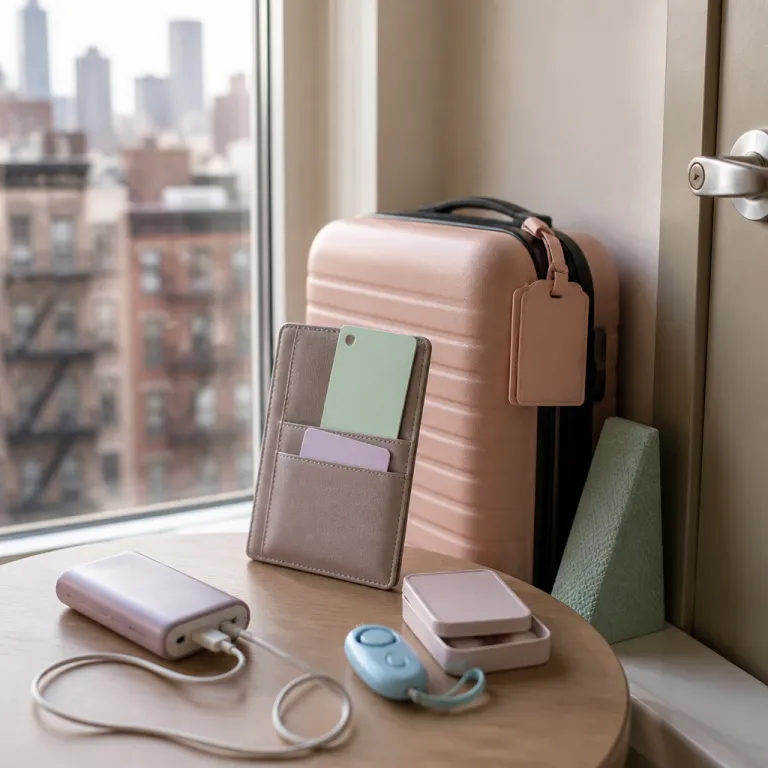
Choosing a safe hotel area in New York City
When you start comparing hotels in New York City, your first decision is where to stay. The safest choice is usually a district with steady foot traffic day and night, reliable public transportation and a mix of offices, shops and residential buildings. In practical terms, that often means focusing on central parts of Manhattan, especially around Midtown, the Upper East Side and selected blocks of the Financial District.
Many visitors ask whether New York City, often shortened to NYC, is safe for tourists and whether crime rates should influence their hotel choice. Local authorities answer this clearly: “Is New York City safe for tourists? Yes, with standard precautions.” That reassurance matters, but you should still use a personal safety guide mindset and compare crime statistics between each area before you book, for example by checking the NYPD’s official CompStat reports or the crime map for the precinct that covers your hotel.
For a first stay when you are visiting New York City, look at hotels in Midtown Manhattan near Times Square, Bryant Park or Grand Central Terminal. These areas are busy with people at almost every hour, which helps you stay aware and makes the street environment feel more predictable. If an area feels too empty or poorly maintained when you arrive, trust your instincts and ask the front desk for specific safety tips about walking routes and late-night options.
The Upper East Side offers a calmer, more residential feel, with tree-lined streets and easy access to Central Park. Many travellers consider this area one of the best balances between quiet residential blocks and quick access to the subway and museums. If you prefer a more Financial District atmosphere, Downtown Manhattan hotels place you close to the World Trade Center, the New York Stock Exchange and well-lit office towers that empty later in the evening.
When comparing hotel rates and neighbourhoods, remember that the lowest price is not always the best value for safety. A slightly higher nightly rate in a central, well-lit area can reduce your transport costs and your exposure to isolated streets at night. Before confirming, check how far you will walk from the subway to the lobby, whether that street feels active or deserted after dark and whether the hotel offers 24-hour front desk staff, visible cameras in public areas and secure key-card access to guest floors.
Understanding crime statistics and real safety levels
Reading about crime in a large city like New York can feel overwhelming, especially when headlines focus on isolated incidents. To use safety tips for visiting New York City effectively, you need to distinguish between overall crime statistics and the specific risks that affect tourists. Most hotel guests experience only minor issues, usually linked to unattended bags or visible valuables in crowded tourist areas.
Official data from the NYPD, published through its CompStat system and precinct pages, shows that serious violent crime is concentrated in limited areas that most visitors never enter. The same data highlights that pickpocketing and bag theft cluster around busy subway stations, major hubs such as Times Square and popular restaurants near theatres. That is why local guidance emphasises simple habits such as keeping wallets in front pockets and avoiding empty subway cars, which directly reduce your exposure.
When you evaluate crime rates for a potential hotel, focus on the immediate area around the property rather than the entire borough. Look at how the street feels at different times of day and night, paying attention to lighting, open shops and the number of people passing by. If the area feels deserted after office hours, you will probably rely more on taxis or rideshares instead of walking.
Tourist areas in Manhattan, including the Upper East Side, Midtown and the Financial District, benefit from a visible police presence and private security patrols. These measures, combined with cameras and hotel security teams, help keep the environment safe for guests who stay aware of their surroundings. The city also encourages visitors to use safety apps that provide real-time alerts about incidents, transport changes and weather disruptions, such as the official Notify NYC service or transit apps that include service alerts.
Authorities summarise their advice in three simple answers that are worth repeating. “What areas should I avoid? Be cautious in less populated areas at night.” “How can I protect my belongings? Keep them secure and avoid displaying valuables.” Those statements capture the essence of a practical safety guide and should shape how you move through New York City from check-in to check-out.
Moving around safely by subway, taxi and on foot
Once you have chosen a hotel, the next priority is how you will move around NYC safely and efficiently. The subway is usually the fastest way to cross Manhattan and reach different areas of New York City, but it requires a few specific habits. Always stand back from the platform edge, keep your bag closed and avoid empty subway cars, especially late at night.
During busy hours, crowded trains and stations near Times Square, Herald Square and major transfer points such as 42nd Street–Port Authority attract pickpockets who look for distracted people. To apply the best safety tips for visiting New York City, keep your phone in a front pocket or zipped bag and avoid counting cash on the platform. If an area feels chaotic or you notice unusual behaviour, trust your instincts and move to another part of the platform or wait for the next train on lines such as the 1, 2, 3 or A, C, E that serve many tourist areas.
Public transportation in New York includes buses, commuter rail and ferries, which many hotel guests overlook. Buses can be a safer-feeling option at night because they are well lit and the driver can see the entire cabin, while ferries offer a calm way to cross the river between boroughs. Whether you choose subway or bus, plan your route in advance so you can stay aware of your surroundings instead of staring at maps.
Walking remains one of the best ways to experience the city, especially around Central Park, the Upper East Side and the more historic streets of the Financial District. Stick to main avenues and well-lit cross streets, avoiding dark shortcuts through isolated blocks or construction zones. If you return to your hotel late at night after restaurants or a show, consider a taxi or rideshare for the final stretch rather than walking through quiet residential areas.
Yellow taxis are heavily regulated, with clear meters and published rates that protect visitors from negotiation. When you use rideshare services, always confirm the licence plate and driver name before getting into the car, and wait on a busy street rather than a deserted side alley. These habits, combined with basic awareness, turn public transportation and private cars into safe, efficient tools for visiting New York City without unnecessary stress.
Staying safe around Times Square, Central Park and other icons
Many first-time visitors build their itinerary around famous landmarks, so safety tips for visiting New York City must address these specific places. Times Square, Central Park and the streets around Broadway theatres are among the busiest tourist areas in the world, with dense crowds at almost every hour. That constant movement of people creates both a vibrant atmosphere and a higher risk of petty crime.
In Times Square, the main risk is distraction as you look up at screens, street performers and bright advertising. Keep your bag closed in front of you, avoid placing phones or cameras on café tables and be cautious when strangers approach too insistently for photos or signatures. If an area feels uncomfortably crowded, step to a quieter side street or into a hotel lobby to regroup and check your route.
Central Park is generally safe during daylight, especially near popular entrances on the south side and the Upper East Side. Paths close to the main drives are well lit in the early evening, but you should avoid deep wooded sections after dark and never cut across the park late at night. Many hotels near the park offer clear walking directions to the safest gates, so ask the front desk for a personalised safety guide.
Restaurant districts in Midtown, Hell’s Kitchen and the theatre area are lively before and after shows. Choose well-lit streets when moving between restaurants and your hotel, and avoid lingering on quiet corners while using your phone. If you are visiting New York City with children or older relatives, agree on a meeting point in case anyone becomes separated in the crowd.
Other major sights, such as the World Trade Center in the Financial District or museums along Fifth Avenue, benefit from strong security and constant surveillance. These places are designed to handle large numbers of people, which helps keep the environment safe when you stay aware of your belongings. By combining official measures with your own common sense, you will enjoy the best of NYC’s icons without feeling exposed.
Hotel security, valuables and late night routines
Your hotel is your base in the city, so its security practices are central to any serious safety guide. When you arrive, note the number of exits, the presence of cameras in public areas and whether the lifts require a room key for guest floors. These details show how seriously the property treats safety for both individuals and families visiting New York City.
Use the in-room safe for passports, spare cards and most of your cash, carrying only what you need for the day and night. Before leaving, photograph important documents and store copies in a secure cloud account so you can access them if anything is lost. At reception, ask whether the hotel has any specific safety tips for visiting New York City during major events, parades or demonstrations that might affect nearby streets.
Late-night routines matter as much as daytime habits, especially if you enjoy restaurants, bars or theatre shows. Plan your route back to the hotel before you go out, choosing well-lit avenues over quieter side streets and checking the last subway times if you rely on trains. If an area feels uncomfortable when you emerge from a venue, trust your instincts and order a taxi rather than walking to the station.
When you return, avoid entering the lobby with headphones on or your phone in front of your face. Take a quick look around the street and the entrance, making sure you stay aware of who is nearby and whether anyone seems to be following you. If you ever feel unsafe, walk straight to the front desk and speak to staff, who are trained to liaise with the NYPD when necessary.
Inside your room, keep the door locked, use the security latch and never prop the door open while you fetch ice or speak to someone in the corridor. Do not share your room number aloud in public areas, and decline unsolicited help from strangers who offer to carry bags to your door. These small habits, repeated consistently, will reduce your exposure to opportunistic crime and let you relax between excursions.
Choosing the right Manhattan neighbourhood for your travel style
Different parts of Manhattan offer distinct atmospheres, so aligning your hotel choice with your habits is one of the best safety tips for visiting New York City. The Upper East Side suits guests who value quiet streets, proximity to Central Park and a strong residential character. Midtown and the theatre district appeal to travellers who want to step out of the lobby into instant energy, bright lights and late-night restaurants.
The Financial District, at the southern tip of the island, has transformed from a purely office zone into a mixed-use area with hotels, apartments and waterfront walks. During weekdays, the streets are busy with office workers, while evenings and weekends feel calmer but still well lit around major towers and transport hubs. If you stay there, you will enjoy quick access to ferries, the subway and landmarks such as the World Trade Center and Wall Street.
On the east side of Midtown, near the United Nations and Grand Central, you will find a blend of embassies, offices and residential areas. This part of New York City offers strong public transportation links and a slightly more formal atmosphere than the west side, which some guests find reassuring. When you walk these streets, you will notice that the area feels structured, with clear signage, regular traffic and a visible police presence.
Whichever neighbourhood you choose, balance hotel rates against your likely transport costs and daily routines. A central location may look more expensive at first, but it can reduce the need for late-night taxis from distant areas and shorten your walks along unfamiliar streets. When you compare options, imagine your typical day from breakfast to night and ask whether each area feels comfortable at every stage.
Remember that New York is a city of constant movement, with millions of people sharing the same streets and transport systems. By combining official advice, such as “Stay alert in crowded areas, use official transportation, keep valuables secure,” with your own judgement, you create a personal safety framework that travels with you. That framework will serve you in Manhattan, in other parts of NYC and in any large urban destination you visit in the future.
Key figures that frame safety in New York City
- New York City welcomes tens of millions of annual tourists according to NYC tourism data, which means the vast majority of visits unfold without serious incidents when travellers follow basic safety tips.
- The NYPD reports thousands of grand larceny incidents each year, including pickpocketing, a small fraction of total visits but a clear reminder to keep wallets in front pockets and bags closed in crowded tourist areas.
- Police and city authorities report increased use of safety apps that provide real-time alerts, helping visitors stay aware of disruptions, demonstrations and transport changes across different areas of Manhattan.
- Enhanced police presence in tourist areas such as Times Square, Central Park and the Financial District has contributed to a long-term decline in serious crime rates affecting visitors, according to NYPD CompStat trend reports.
FAQ – safety tips for visiting New York City
Is New York City safe for tourists staying in hotels?
Yes, most tourists experience a safe stay, especially when they choose hotels in central Manhattan areas with good lighting, steady foot traffic and convenient public transportation, and when they follow standard precautions about valuables and late-night movements.
Which areas are best for a first time hotel stay ?
For a first visit, Midtown, the Upper East Side and the Financial District are strong options because they combine relatively low crime statistics for visitors with excellent access to landmarks, restaurants and the subway, reducing the need for long walks through unfamiliar streets.
How can I protect my belongings in crowded places ?
Use a zipped bag worn in front, keep wallets in front pockets, avoid displaying jewellery or large amounts of cash and stay aware in crowded spots such as Times Square, major subway stations and busy restaurant districts, where pickpockets look for distracted people.
Is the subway safe to use at night ?
The subway is generally safe when you avoid empty cars, stay in well-lit parts of the platform, keep your belongings close and choose taxis or rideshares instead if an area feels deserted or if you are returning very late at night from distant neighbourhoods.
What should I do if I feel unsafe near my hotel ?
If the street outside feels uncomfortable, trust your instincts, return to the lobby, speak to the front desk about alternative routes or transport options and, in an emergency, contact the NYPD by dialling 911 so that trained officers can assist you quickly.
