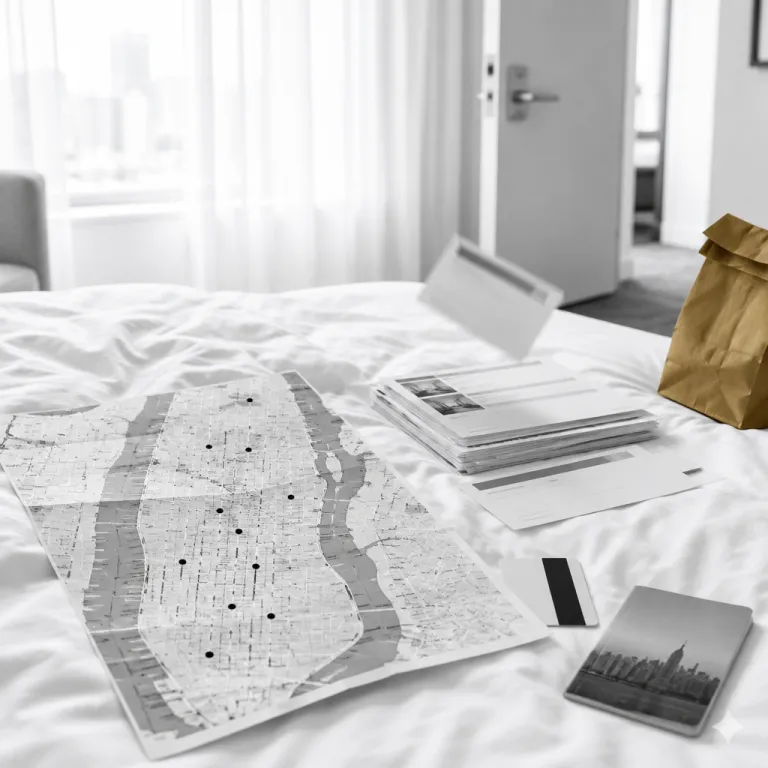
Why new york city food tour bookings matter when choosing your hotel
New York rewards travellers who plan their new york city food tour bookings alongside their hotel choice. When you align where you sleep with where you will eat and take each tour, you save time and gain a richer experience of real New York City neighbourhoods. This approach turns every walk between your lobby and your next tasting into part of the story.
For guests comparing hotels in Manhattan, thinking about food tours early helps you book in the right area of the city. If you plan to focus on a Greenwich Village food tour or several Greenwich Village walks, staying near the West Village or SoHo keeps your travel time short and your appetite sharp. Travellers who care about New York food culture should treat location as seriously as star reviews or room size.
Many visitors arrive with a list of restaurants but overlook structured tasting experiences that explain the city. A well curated culinary walking tour gives context to the dishes New York is famous for, from pizza slices to dim sum, and helps you learn how different communities shaped this rich history. When you match your new york city food tour bookings with a hotel in the same part of NYC, you gain both convenience and a deeper connection to the local streets.
Staying near classic routes: greenwich village, chinatown and chelsea market
Three neighbourhoods dominate many new york city food tour bookings for first time visitors. Greenwich Village, Chinatown and Chelsea Market each offer a different culinary focus, and your hotel choice can make or break how relaxed these outings feel. If you stay within a fifteen minute walk, you can eat more, rest between tours and still have time for other city experiences.
Greenwich Village is ideal for travellers who want a village food narrative that mixes cafés, pizzerias and jazz history culture. Many New York tours here highlight original Greenwich streets, where a knowledgeable guide explains how artists, activists and immigrants shaped this distinctive enclave. For example, a long running Greenwich Village tasting route led by a guide named Maria often pauses outside former speakeasies to connect modern slices of New York pizza with Prohibition era stories. When you book a hotel near Greenwich Village, you can join morning tastings, return for a rest, then head back out for evening events without worrying about long subway rides.
Chinatown and nearby Little Italy, sometimes marketed together as Chinatown Italy in tour descriptions, suit guests who want to learn about migration, family run eateries and layered history culture. Hotels in Lower Manhattan or the Lower East Side keep you close to both Chinatown Italy style routes and the waterfront. If you are arriving through JFK and planning several tours in this area, consider reading a detailed guide on how to get from JFK to Manhattan for your hotel stay at practical airport to hotel transfer options.
How to match food tours with your travel schedule and airport transfers
Timing your new york city food tour bookings around flights and check in times prevents rushed meals. Many group food tours start late morning or mid afternoon, which works well if you arrive the previous day and sleep near the starting point. If you land early and hope to join a tasting experience the same day, choose a hotel that offers luggage storage and quick access to the subway.
Guests who plan multiple tours across different boroughs should map each meeting point before confirming a room. For example, you might schedule a Chelsea Market focused walk one day, a Greenwich Village food stroll the next and a Chinatown Italy themed evening on your final night. In that case, a central Midtown hotel near several subway lines such as the A, C, E or 1 can balance travel time, while still letting you eat in neighbourhoods with rich history and strong local character.
Airport logistics also influence how relaxed your first meals in NYC will feel. If you arrange airport transfers that drop you directly at your hotel, you can freshen up and then walk to your first New York City food tour without worrying about luggage. To compare different ways of reaching your accommodation and future tour starting points, consult a specialised guide on New York airport transfers to your hotel and how to choose the best option at selecting the best airport transfer for your stay.
Choosing between group tours and private tours from your hotel base
Once you know where you will stay, the next step in your new york city food tour bookings is deciding between group tours and private tours. Group food tours suit solo travellers or couples who enjoy meeting others and sharing plates, while private tours work well for families or corporate events needing flexibility. Your hotel concierge can often explain which style fits your schedule and personality best.
Group tasting experiences usually follow a fixed route, with a guide leading ten to twelve guests through a curated selection of stops. These New York tours often include enough food to replace a meal, so plan lighter breakfasts at your hotel if you intend to eat heavily during the outing. When reading star reviews, look for comments about pacing, portion sizes and how much time the guide spends on history culture versus simply moving between venues.
Private tours allow you to tailor the route around your hotel location and dietary needs. A private guide might start in your lobby, then walk you through nearby streets to sample New York food specialities that many visitors miss. For travellers booking hotels in quieter parts of NYC, private tours can bring the energy of the city to your doorstep while still feeling personal and relaxed.
Safety, walking distances and the reality of eating like a local
New York rewards guests who are willing to walk, but realistic planning keeps your new york city food tour bookings enjoyable. Many food tours cover between two and four kilometres, so comfortable shoes matter as much as your appetite. When you choose a hotel, check walking distances to your preferred routes in Greenwich Village, Chinatown or Chelsea Market to avoid unnecessary taxi rides and to keep each outing feeling manageable.
Eating like a local also means accepting that some of the best foods New York offers come from modest storefronts or crowded markets. A well designed itinerary will balance famous names with hidden gems, giving you a real sense of how residents actually eat. Before you book, read descriptions carefully to learn whether the focus is on quick bites, seated tastings or a mix of both styles.
Safety is a common concern for first time visitors planning New York City food tours in the evening. Choose hotels on well lit streets near busy subway stations, and ask staff which routes feel most comfortable after dark. For a deeper overview of neighbourhood safety, hotel selection and moving around NYC confidently, consult a dedicated guide on safety tips for visiting New York City and choosing a hotel at staying safe and mobile during your visit.
Evaluating guides, star reviews and the real value of each tour
With so many operators competing for new york city food tour bookings, evaluating quality becomes essential. Start by reading star reviews that mention specific tour guides by name and describe concrete experiences, such as how they handled dietary restrictions or crowded venues. Reviews that only praise the food without discussing the guide or the history culture often tell you less about long term value.
Experienced guides in NYC do more than point out where to eat and when to move on. They weave stories about immigration, zoning laws, rent changes and community events into each stop, turning a simple food tour into a lesson about the city itself. When you see repeated praise for how a guide helped guests learn about original Greenwich streets or the layered past of Chinatown Italy style districts, you can feel more confident about booking.
Price should be weighed against what is included, from the number of tastings to the depth of commentary. Some New York tours focus heavily on Chelsea Market, offering a dense sequence of bites in a compact space, while others spread village food tastings across wider areas of Greenwich Village or the Lower East Side. Align the style of each outing with your hotel location, your available time and how much walking you genuinely enjoy, and your new york city food tour bookings will feel like a natural extension of your stay.
Key figures on New York food tourism and neighbourhood stays
- According to NYC & Company, New York City welcomed over 66 million visitors in 2019, and a significant share reported that food was a primary reason for their trip, highlighting the importance of planning food tours alongside hotel bookings (NYC & Company, 2019 Visitor Summary).
- Research from the James Beard Foundation indicates that Manhattan alone hosts several thousand restaurants, meaning that curated food tours can dramatically reduce decision fatigue for short stays of three to five nights (James Beard Foundation, Industry Research Overview).
- Data from the National Restaurant Association shows that visitor spending on food services in major US cities has grown steadily over the past decade, underlining how structured tours help travellers allocate their dining budgets more efficiently (National Restaurant Association, Restaurant Industry Factbook).
- Surveys by NYC & Company have found that neighbourhood based experiences, including guided walks and food tastings, consistently receive higher satisfaction scores than generic sightseeing alone, especially among repeat visitors (NYC & Company, Visitor Insights Report).
FAQ about New York City food tours and hotel planning
Which neighbourhood is best for a first food tour in New York City ?
For a first visit, Greenwich Village is often considered the best neighbourhood for a balanced food tour. It combines historic streets, varied cuisines and manageable walking distances, and many tours start near subway lines that connect easily to Midtown hotels. Chinatown and Little Italy are excellent second choices if you want a stronger focus on specific immigrant communities.
How far in advance should I make new york city food tour bookings ?
For peak travel periods, aim to book your preferred food tours at least two to three weeks before arrival. Popular Greenwich Village and Chinatown routes, especially those with strong star reviews, can sell out quickly on weekends. Last minute spaces sometimes appear, but planning early lets you match tour times with your hotel check in and other activities.
Is it better to stay near my food tour or in Midtown ?
If food is the main focus of your trip, staying near your chosen tour areas in Greenwich Village, Chinatown or around Chelsea Market can be more convenient. You will spend less time commuting and can easily return to favourite stops discovered during the tour. Midtown suits guests who want equal access to theatres, museums and multiple boroughs, accepting slightly longer rides to some food experiences.
Are private food tours worth the higher price for hotel guests ?
Private tours cost more but offer flexibility that many hotel guests value, especially families or small groups with specific dietary needs. You can adjust start times, pace and even begin near your hotel, which reduces stress after long flights. For travellers with limited time in NYC, a focused private route can provide deeper insight than several generic group tours.
How much walking should I expect on a typical New York food tour ?
Most New York City food tours involve between two and four kilometres of walking over two to three hours. Routes in compact areas like Chelsea Market may feel easier, while village food or Chinatown based tours can include more street crossings and small hills. Comfortable shoes and weather appropriate clothing will make the experience far more enjoyable, especially if you plan multiple tours during your stay.